How to Start a Trucking Company in California: Complete Registration & Compliance Guide (2026)
Quick Answer
Starting a trucking company in California requires more than purchasing a commercial truck. You must register your business, obtain a USDOT Number and MC Authority, register your vehicles, secure the required permits, maintain insurance, comply with FMCSA and California regulations, and implement a reliable fleet permit management process. Professional permit providers can simplify these requirements and help reduce delays, paperwork errors, and compliance risks.
Key Takeaways
- Register your trucking business before beginning operations.
- Apply for a USDOT Number and MC Authority if operating interstate.
- Complete Truck Registration Services California requirements before putting vehicles on the road.
- Obtain all required permits based on your vehicle type, weight, cargo, and operating states.
- Use a fleet permit management service to keep registrations and permits current.
- Stay compliant with FMCSA and California transportation regulations.
- Maintain insurance, driver qualification files, and safety records.
- Regular compliance reviews help avoid penalties and operational disruptions.
Why Start a Trucking Company in California?
California is one of the largest freight transportation markets in the United States. Every day, thousands of commercial trucks move goods through major ports, distribution centers, manufacturing hubs, agricultural regions, and interstate highways.
With strong demand for freight transportation, many entrepreneurs choose to start trucking businesses in California. However, success depends not only on finding loads but also on meeting state and federal compliance requirements.
Before operating commercially, trucking companies must complete several registrations, obtain operating authority where required, register vehicles properly, and maintain ongoing compliance with transportation regulations.
Businesses that build compliance into their operations from the beginning often experience fewer delays, smoother audits, and more efficient fleet management.
Step 1: Register Your Trucking Business
The first step when you start a trucking company in California is establishing your business entity.
Many trucking companies operate as:
- Sole Proprietorship
- Limited Liability Company (LLC)
- Corporation
- Partnership
Choosing the appropriate business structure affects taxes, liability protection, licensing requirements, and long-term business growth.
Once your business entity has been established, you should obtain an Employer Identification Number (EIN) from the IRS if applicable and complete all required state registrations before operating commercially.
Proper business registration creates the legal foundation for obtaining permits, opening business bank accounts, purchasing insurance, and hiring drivers.
Step 2: Obtain Your USDOT Number
A USDOT Number identifies commercial motor carriers operating in interstate commerce.
Many trucking companies transporting freight across state lines or operating vehicles above certain weight thresholds must obtain a USDOT Number before beginning operations.
The USDOT Number allows federal agencies to monitor:
- Safety performance
- Vehicle inspections
- Compliance history
- Crash records
- Carrier identification
Keeping your USDOT information accurate and updated is an important part of maintaining compliance.
Step 3: Apply for MC Authority Services USA
If your trucking company transports regulated freight across state lines for compensation, you may also need Motor Carrier (MC) Authority.
MC Authority provides operating authority issued by the Federal Motor Carrier Safety Administration (FMCSA).
Depending on your operations, obtaining MC Authority may involve:
- Filing an application
- Meeting insurance requirements
- Designating a process agent
- Completing required federal filings
- Maintaining compliance after approval
Many new carriers choose professional MC Authority Services USA to reduce paperwork errors and avoid delays during the application process.
Professional assistance can help ensure applications are completed accurately while meeting federal registration requirements.
Understanding FMCSA Registration
The FMCSA regulates interstate commercial trucking operations throughout the United States.
Registration with FMCSA helps establish your business as a commercial motor carrier operating under federal regulations.
Registration information typically includes:
- Business information
- USDOT Number
- Operating authority
- Vehicle information
- Insurance filings
- Business classification
- Safety responsibilities
Maintaining accurate FMCSA records is just as important as obtaining them initially.
Failure to update registration information can lead to unnecessary compliance issues.
Step 4: Meet Insurance Requirements
Commercial trucking companies must maintain appropriate insurance before operating legally.
Insurance requirements vary depending on:
- Cargo type
- Vehicle weight
- Interstate or intrastate operations
- Operating authority
- Business structure
Common insurance policies include:
- Primary liability
- Cargo insurance
- Physical damage coverage
- General liability
- Occupational accident coverage
Insurance providers often coordinate directly with regulatory agencies during certain registration processes.
Why Compliance Matters from Day One
Many new trucking businesses focus primarily on purchasing trucks and finding freight.
However, long-term success depends equally on maintaining compliance.
Proper compliance helps businesses:
- Reduce costly penalties
- Pass roadside inspections
- Prepare for audits
- Improve safety ratings
- Maintain operational efficiency
- Build credibility with brokers and shippers
Compliance should be viewed as an ongoing business process rather than a one-time registration task.
Documents You’ll Commonly Need
While requirements vary based on operations, new trucking companies often prepare documentation such as:
- Business registration documents
- Employer Identification Number (EIN)
- Driver’s License
- Commercial Driver License (CDL)
- Vehicle Identification Number (VIN)
- Insurance information
- Vehicle specifications
- Business address
- Contact information
- USDOT registration information
- MC Authority information (if applicable)
Organizing these documents early can simplify future registrations and compliance updates.
Why Many New Trucking Companies Experience Delays
Starting a trucking company involves multiple registrations handled by different agencies.
Delays commonly occur because of:
- Incorrect business information
- Missing documentation
- Incomplete permit applications
- Insurance filing delays
- Registration errors
- Failure to understand federal and state requirements
Professional registration assistance can help reduce these challenges and speed up the overall process.
Step 5: Complete Truck Registration Services California
Once your business is legally established and your operating authority is in progress, the next important step is registering your commercial vehicles.
Commercial trucks operating in California must meet state registration requirements before they can legally operate on public highways. Depending on your business operations, vehicle weight, and whether you operate interstate or intrastate, different registration requirements may apply. California requires commercial vehicle registration through the Department of Motor Vehicles (DMV), and interstate carriers may also need IRP apportioned registration.
Professional Truck Registration Services California help simplify this process by ensuring registration paperwork is completed correctly and submitted on time.
Truck registration may include:
- Commercial vehicle registration
- IRP Registration
- Vehicle title processing
- Weight declaration
- Plate registration
- Registration renewals
- Fleet registration updates
Completing vehicle registration correctly helps reduce delays while keeping your trucks compliant with California and federal transportation regulations.
Why Proper Truck Registration Matters
Commercial truck registration is much more than obtaining license plates.
Proper registration helps:
- Verify legal ownership
- Meet state operating requirements
- Support interstate operations
- Maintain fleet compliance
- Prevent registration-related violations
- Prepare for inspections and audits
Operating an unregistered commercial vehicle can result in fines, delays, or restrictions that affect business operations.
Step 6: Obtain Required Trucking Permits
Most trucking companies require multiple permits before operating legally.
The exact permits depend on factors such as:
- Vehicle weight
- Operating states
- Cargo type
- Business model
- Interstate or intrastate travel
- Oversize or overweight operations
Common trucking permits include:
- IRP Registration
- IFTA Registration
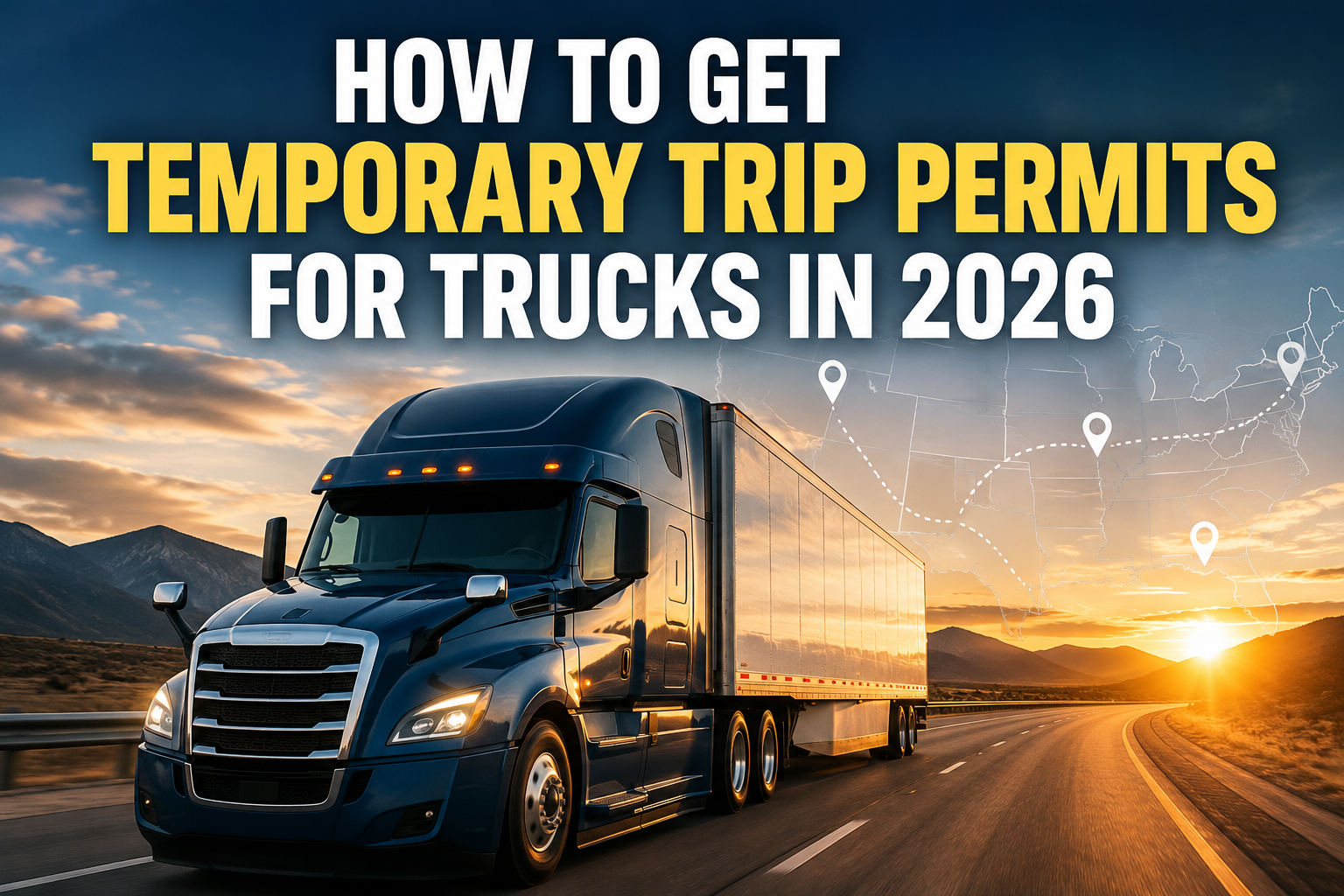
- Temporary Trip Permits
- Temporary Fuel Permits
- Oversize Permits
- Overweight Permits
- Unified Carrier Registration (UCR)
- Heavy Vehicle Use Tax (HVUT)
- State-specific permits
Every trucking company has unique permit requirements. Understanding which permits apply to your operation is essential for maintaining compliance.
Understanding Fleet Permit Management Service
As a trucking company grows, managing permits manually becomes increasingly difficult.
A fleet permit management service helps carriers organize, monitor, renew, and maintain permit records across multiple vehicles.
Instead of tracking expiration dates manually, fleet managers can centralize permit information and reduce administrative workload.
Fleet permit management often includes:
- Registration tracking
- Permit renewals
- Expiration reminders
- Compliance monitoring
- Document management
- Multi-state permit coordination
- Fleet record updates
This approach helps fleets remain organized while reducing the risk of operating with expired registrations or permits.
Benefits of Fleet Permit Management
A professional fleet permit management service can provide several operational advantages.
These include:
Improved Compliance
Keeping permits current reduces the likelihood of compliance violations during roadside inspections or audits.
Less Administrative Work
Managing dozens or hundreds of permits manually consumes significant time.
Professional permit management allows trucking companies to focus on operations instead of paperwork.
Reduced Downtime
Expired permits can delay deliveries and interrupt fleet schedules.
Timely renewals help trucks stay on the road.
Better Fleet Organization
Centralized permit records improve visibility across every commercial vehicle in the fleet.
Easier Expansion
Adding new trucks becomes more efficient when permit management processes are already established.
California Compliance Requirements
Starting a trucking company involves more than business registration.
Commercial carriers should also maintain compliance with federal and state transportation regulations.
Areas commonly requiring ongoing attention include:
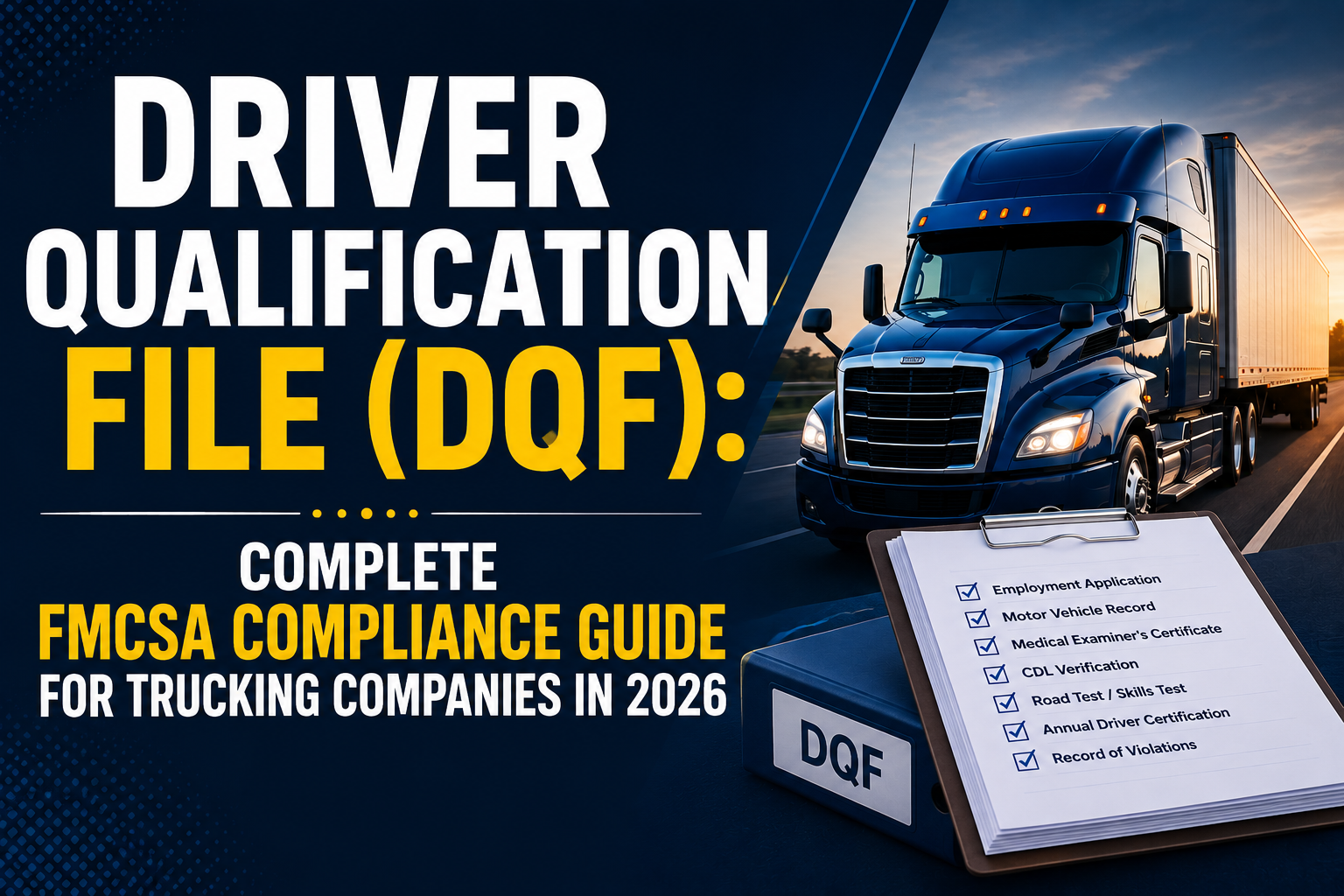
- Driver qualification records
- Vehicle registration
- Insurance documentation
- Safety inspections
- Hours of Service compliance
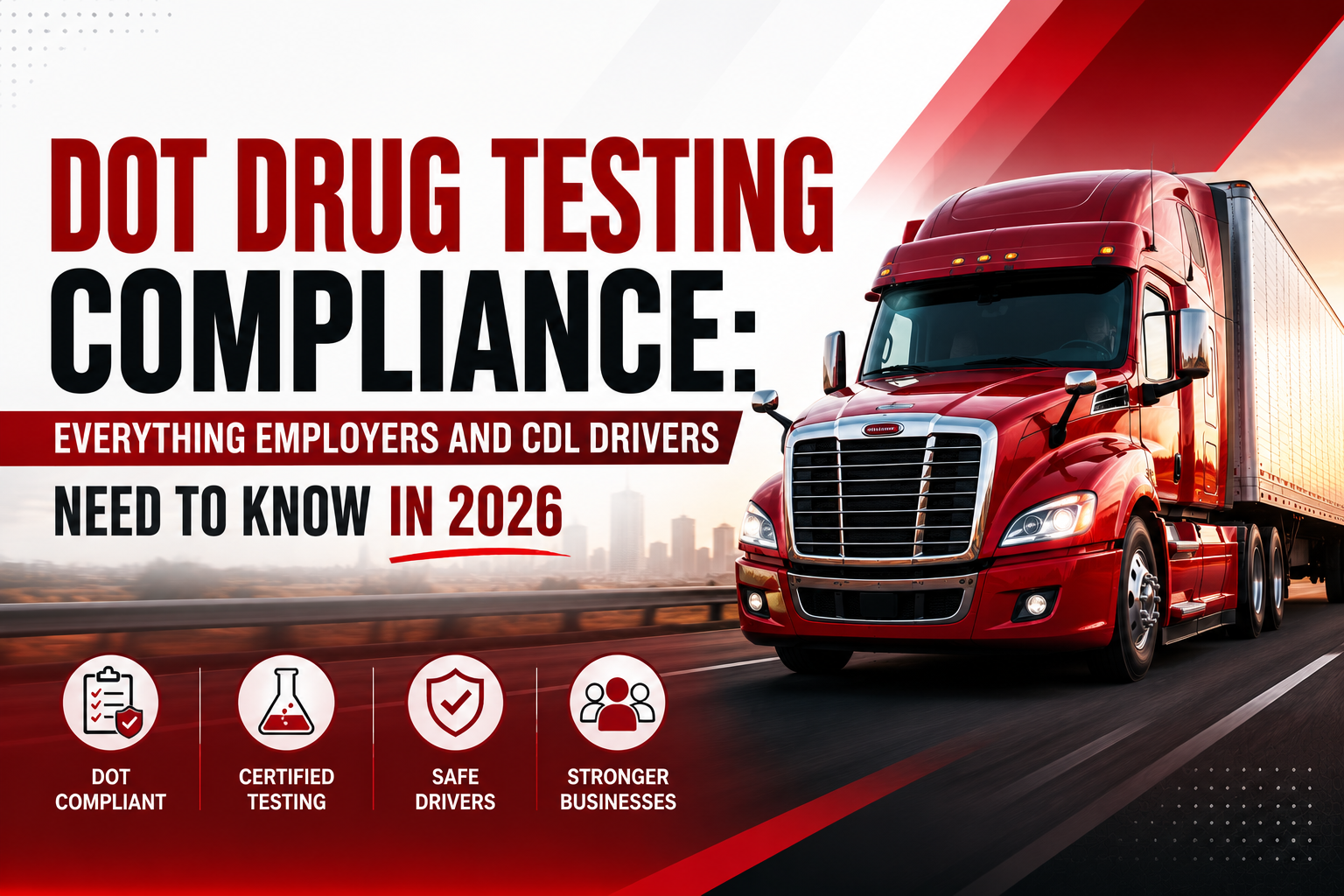
- Drug and alcohol program requirements
- Vehicle maintenance records
- Permit renewals
- Registration updates
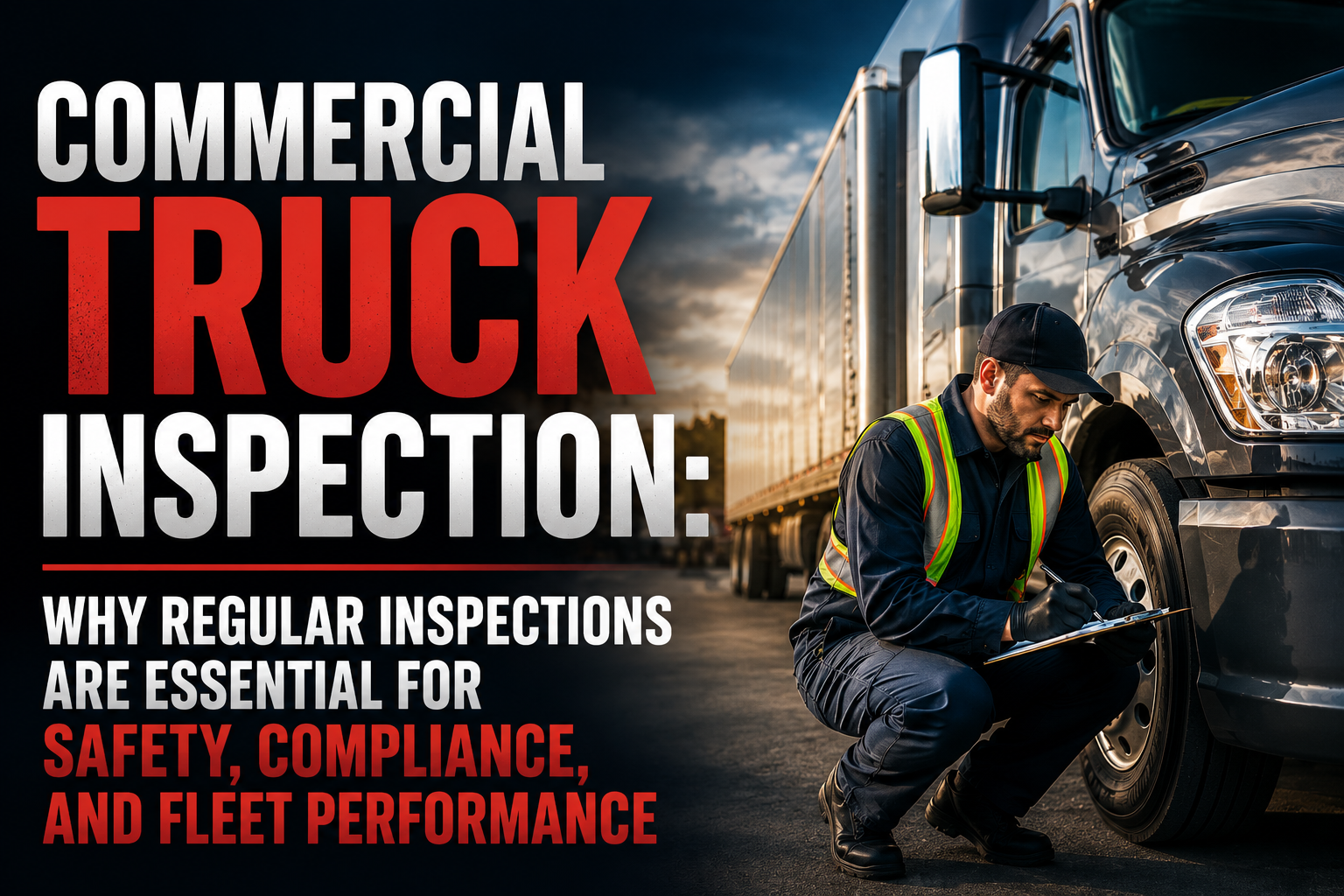
Maintaining organized compliance records helps businesses prepare for audits and inspections.
Common Mistakes New Trucking Companies Make
Many new trucking businesses experience delays because they overlook important compliance requirements.
Common mistakes include:
Waiting Too Long to Apply
Registration and permit processing can take time.
Applying early helps prevent unnecessary delays.
Missing Required Documents
Incomplete paperwork often results in rejected applications.
Always verify documentation before submission.
Confusing Different Permit Types
Many carriers assume all trucking permits serve the same purpose.
In reality, registration, fuel tax permits, trip permits, oversize permits, and operating authority each serve different regulatory functions.
Ignoring Renewal Dates
Expired registrations or permits can interrupt operations and lead to penalties.
Managing Everything Manually
As fleets grow, manual tracking becomes increasingly difficult.
Permit management software or professional permit services can significantly improve efficiency.
Why Many Carriers Use Professional Permit Services
Transportation regulations continue to evolve, making compliance more complex for trucking businesses.
Professional permit providers help carriers:
- Complete applications accurately
- Reduce paperwork errors
- Track permit renewals
- Manage fleet registrations
- Stay informed about regulatory changes
- Improve compliance documentation
- Save administrative time
For many owner-operators and fleet managers, professional assistance reduces the complexity of managing multiple permits across different jurisdictions.
Frequently Asked Questions
1. How do I start a trucking company in California?
To start a trucking company in California, you typically need to register your business, obtain a USDOT Number if applicable, apply for MC Authority for interstate operations, register your commercial vehicles, obtain the necessary permits, maintain insurance, and comply with FMCSA and California regulations.
2. What permits are required to operate a trucking company in California?
Permit requirements vary depending on your business operations. Common requirements may include IRP registration, IFTA registration, Unified Carrier Registration (UCR), temporary trip permits, oversize or overweight permits, California vehicle registration, and other state-specific permits.
3. What are Truck Registration Services California?
Truck Registration Services California help commercial carriers complete vehicle registration, title processing, IRP registration, registration renewals, and other documentation required to legally operate commercial trucks in California.
4. What is MC Authority?
MC Authority is operating authority issued by the Federal Motor Carrier Safety Administration (FMCSA) that allows eligible motor carriers to transport regulated freight for compensation across state lines.
5. Do all trucking companies need MC Authority?
No. Whether MC Authority is required depends on the type of freight, operating area, and business model. Interstate for-hire carriers commonly require MC Authority, while some operations may only require a USDOT Number.
6. What is a USDOT Number?
A USDOT Number is a unique identification number assigned by the FMCSA to commercial motor carriers for safety monitoring, inspections, audits, and compliance purposes.
7. What is a fleet permit management service?
A fleet permit management service helps trucking companies organize, monitor, renew, and maintain permits and registrations for multiple commercial vehicles while reducing administrative workload and compliance risks.
8. What is IRP Registration?
The International Registration Plan (IRP) allows commercial vehicles operating in multiple jurisdictions to register under a single apportioned registration system while paying registration fees based on the miles traveled in each jurisdiction.
9. What is IFTA Registration?
The International Fuel Tax Agreement (IFTA) simplifies fuel tax reporting for commercial motor carriers operating in multiple participating jurisdictions.
10. What documents are commonly required when starting a trucking company?
Requirements vary, but businesses often prepare:
- Business registration documents
- EIN
- Driver’s License or CDL
- Insurance information
- Vehicle Identification Number (VIN)
- Vehicle details
- Business address
- USDOT registration
- MC Authority information (if applicable)
11. Why is trucking compliance important?
Compliance helps commercial carriers operate legally, improve safety, reduce the risk of penalties, prepare for audits, and maintain uninterrupted business operations.
12. How often should trucking permits be renewed?
Renewal schedules depend on the permit or registration. Carriers should monitor expiration dates carefully and renew permits before they expire to avoid compliance issues.
13. Can professional permit services help new trucking companies?
Yes. Professional permit providers can assist with registrations, permit applications, compliance documentation, renewals, and regulatory requirements, helping reduce delays and administrative errors.
14. What are the most common mistakes new trucking companies make?
Some common mistakes include submitting incomplete applications, missing renewal deadlines, misunderstanding permit requirements, operating without proper registrations, and failing to maintain accurate compliance records.
15. Can I manage trucking permits myself?
Yes. However, as your business grows and operates across multiple states, managing registrations, renewals, and compliance becomes increasingly complex. Many carriers choose professional permit management services to simplify ongoing compliance.
Final Thoughts
Starting a trucking company in California requires careful planning, accurate documentation, and ongoing compliance with both federal and state transportation regulations. From registering your business and obtaining a USDOT Number to completing Truck Registration Services California, securing MC Authority, and maintaining fleet permits, every step contributes to building a successful and compliant trucking operation.
As your fleet grows, keeping registrations, permits, and compliance records organized becomes even more important. A reliable fleet permit management service can help reduce administrative burdens, support timely renewals, and improve operational efficiency while allowing you to focus on growing your business.
Whether you are launching your first commercial truck or expanding an existing fleet, understanding registration requirements, permit obligations, and compliance responsibilities is essential for long-term success in the trucking industry.
Compliance Disclaimer
The information in this guide is intended for educational purposes only. Registration requirements, permits, operating authority, insurance obligations, and compliance regulations may vary based on your business structure, operating states, vehicle weight, cargo type, and applicable federal or state laws. Carriers should verify current requirements with the appropriate regulatory agencies or work with a qualified trucking compliance and permit service before beginning operations.









 +559-389-7772


