


Preparing Your Trucking Business for the FMCSA MOTUS Portal: The Complete Compliance Checklist (2026)

Quick Answer

The FMCSA MOTUS Portal is the Federal Motor Carrier Safety Administration’s modernized registration platform designed to improve how commercial motor carriers register, update business information, and manage federal compliance requirements. Before using the portal, trucking companies should organize their business records, verify USDOT and MC Authority information, review insurance filings, prepare vehicle and driver documentation, and ensure all compliance records are accurate. Proper preparation helps reduce delays, avoid registration errors, and support ongoing FMCSA compliance.


Key Takeaways

  • The FMCSA MOTUS Portal is part of the FMCSA’s modernization initiative.
  • Accurate business information is essential before using the new registration system.
  • Review USDOT, MC Authority, insurance, and business records before submitting updates.
  • Organized documentation helps reduce registration delays.
  • Compliance preparation extends beyond registration and includes ongoing record management.
  • Professional compliance support can simplify the transition to the FMCSA MOTUS Portal.

Introduction

The trucking industry continues to evolve as technology improves the way carriers interact with federal regulatory agencies. One of the most significant modernization efforts is the introduction of the FMCSA MOTUS Portal, a new registration system designed to simplify carrier registration, improve data accuracy, and create a more efficient experience for commercial trucking companies.

For owner-operators, fleet managers, and transportation businesses, the transition to the FMCSA new registration system is more than learning a new website. It requires preparing accurate business records, reviewing compliance documents, and ensuring registrations remain current.

Whether you are launching a new trucking company or managing an established fleet, preparing before using the portal can save valuable time and help reduce administrative issues.

This guide provides a practical compliance checklist to help trucking businesses prepare for the FMCSA MOTUS Portal while maintaining compliance with federal transportation regulations.


What Is the FMCSA MOTUS Portal?

The FMCSA MOTUS Portal is the Federal Motor Carrier Safety Administration’s modernized online registration platform intended to improve how commercial motor carriers complete registration-related activities.

The goal of the portal is to provide a more streamlined and user-friendly experience for businesses interacting with FMCSA registration systems.

Through modernization, carriers can expect improved management of registration information, carrier records, and other regulatory processes as new features are introduced.

The portal is designed to support better data accuracy while reducing administrative complexity for both carriers and regulators.


What Does MCSA MOTUS Mean?

Many trucking companies encounter terms such as MCSA MOTUS, MOTUS FMCSA, and FMCSA MOTUS Portal while researching registration updates.

Although these terms are often used interchangeably, they generally refer to the modernization initiative being developed by the Federal Motor Carrier Safety Administration to improve carrier registration and information management.

Rather than replacing compliance responsibilities, the new system is intended to modernize how carriers manage those responsibilities electronically.


Why Is the FMCSA Modernizing Its Registration System?

Over time, carrier registration has involved multiple forms, systems, and processes that can be difficult for businesses to navigate.

The FMCSA new registration system is intended to improve several important areas, including:

  • Simplified registration processes
  • Improved data accuracy
  • Better user experience
  • More efficient carrier information management
  • Reduced duplicate records
  • Enhanced electronic services
  • Better support for future regulatory improvements

For trucking companies, these improvements may lead to more efficient registration management and easier access to important carrier information.


Who Should Prepare for the FMCSA MOTUS Portal?

Preparation is important for nearly every business that interacts with FMCSA registration systems.

This includes:

  • Owner-operators
  • New trucking companies
  • Established motor carriers
  • Fleet operators
  • Freight transportation businesses
  • Private carriers
  • Passenger carriers
  • Logistics companies
  • Fleet compliance managers

Even businesses with existing registrations should periodically review their information to ensure it remains accurate and complete.


Why Preparation Matters

Many registration issues occur because businesses wait until the last minute to gather documentation.

Preparing in advance allows carriers to:

  • Verify business information
  • Correct outdated records
  • Organize compliance documents
  • Reduce registration delays
  • Improve administrative efficiency
  • Prepare for future regulatory updates

A proactive approach can significantly reduce unnecessary complications during registration or information updates.


FMCSA MOTUS Compliance Checklist Overview

Preparing for the FMCSA MOTUS Portal begins with reviewing the core information your business relies on every day.

Before accessing or updating registration information, you should verify that your records are complete, accurate, and up to date.

A comprehensive preparation checklist typically includes:

  • Business information
  • USDOT registration details
  • MC Authority information (if applicable)
  • Insurance records
  • Vehicle information
  • Driver documentation
  • Compliance records
  • Contact information
  • Tax identification details
  • Business addresses
  • Authorized company representatives

Organizing these items before beginning the registration process helps reduce errors and improve efficiency.


Step 1: Verify Your Business Information

One of the first steps in preparing for the FMCSA MOTUS Portal is confirming that your business information is accurate.

Review details such as:

  • Legal business name
  • DBA (Doing Business As), if applicable
  • Business structure
  • Employer Identification Number (EIN)
  • Principal business address
  • Mailing address
  • Contact phone numbers
  • Email addresses
  • Authorized representatives

Even small inconsistencies can create unnecessary delays during registration updates.


Step 2: Review Your USDOT Number Information

Your USDOT Number serves as a primary identifier for your trucking business under FMCSA regulations.

Before using the portal, review your current USDOT information to ensure it accurately reflects your operation.

Confirm details including:

  • Business classification
  • Operating status
  • Cargo classifications
  • Number of commercial vehicles
  • Driver counts
  • Operating regions
  • Safety information

Keeping these records current supports regulatory compliance and helps maintain accurate carrier information.


Step 3: Confirm MC Authority Information

If your business operates under Motor Carrier Authority, review all related records before making updates.

Check:

  • MC Number
  • Operating authority status
  • Insurance filings
  • Business information
  • Contact details

Accurate authority records help ensure your registration information remains consistent across federal systems.


Step 4: Review Insurance Documentation

Insurance plays an important role in commercial carrier compliance.

Before using the FMCSA MOTUS Portal, verify that:

  • Insurance policies remain active.
  • Required filings have been submitted when applicable.
  • Business names match registration records.
  • Policy information is current.

Inconsistent insurance information can delay registration processing or create compliance concerns.

Step 5: Organize Your Vehicle Information

Before using the FMCSA MOTUS Portal, every trucking company should ensure that vehicle information is accurate and up to date. Maintaining complete vehicle records helps reduce registration issues and supports ongoing compliance with federal transportation regulations.

Review information such as:

  • Vehicle Identification Number (VIN)
  • Year, make, and model
  • License plate information
  • Registration status
  • Gross Vehicle Weight Rating (GVWR)
  • International Registration Plan (IRP) information, if applicable
  • International Fuel Tax Agreement (IFTA) information, if applicable
  • Vehicle ownership details
  • Lease agreements, where applicable

Accurate vehicle information helps ensure consistency across registrations, inspections, and compliance records.


Step 6: Review Driver Qualification Records

Driver documentation is an essential part of FMCSA compliance.

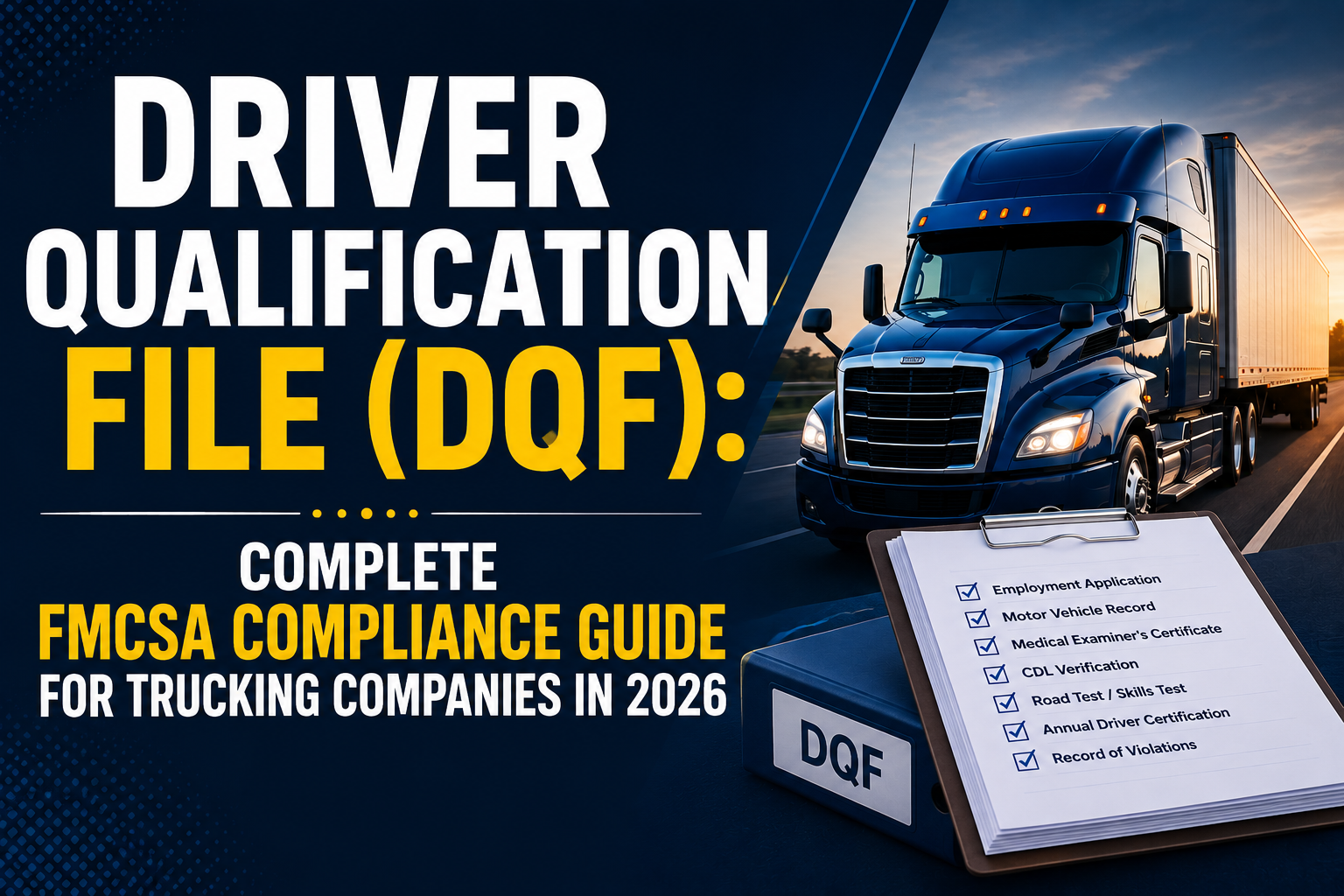
Before transitioning to the FMCSA MOTUS Portal, review your Driver Qualification Files (DQFs) to ensure they are complete and current.

Typical records include:

  • Commercial Driver License (CDL)
  • Medical Examiner’s Certificate
  • Motor Vehicle Record (MVR)
  • Driver application
  • Employment verification
  • Road test documentation (when applicable)
  • Drug and alcohol testing records
  • Safety performance history

Keeping these records organized helps prepare your business for compliance reviews and audits.


Step 7: Verify Permit Information

Many trucking companies operate under multiple permits depending on their routes and business activities.

Before updating your carrier information, review permits such as:

  • IRP Registration
  • IFTA License
  • Unified Carrier Registration (UCR)
  • Temporary Trip Permits
  • Temporary Fuel Permits
  • Oversize/Overweight Permits
  • State-specific operating permits

Verify expiration dates and ensure all required permits remain active.


Step 8: Review Insurance Filings

Insurance documentation should always match your FMCSA registration records.

Review:

  • Liability insurance
  • Cargo insurance
  • Physical damage coverage
  • Policy numbers
  • Insurance provider information
  • Effective and expiration dates

If any information has changed recently, confirm that required filings have been submitted where applicable.


Step 9: Confirm Contact Information

Many registration delays occur because carriers forget to update basic contact details.

Verify:

  • Company email address
  • Business phone number
  • Mailing address
  • Physical address
  • Primary contact person
  • Compliance manager information

Accurate contact information helps ensure you receive important regulatory notifications and correspondence.


Step 10: Organize Compliance Records

Preparing for the FMCSA new registration system is also an opportunity to review your overall compliance program.

Maintain organized records for:

  • Vehicle maintenance
  • Annual inspections
  • Driver qualification files
  • Drug and alcohol testing
  • Hours of Service documentation
  • Accident records
  • Safety training
  • Permit renewals

Well-organized records make future compliance activities significantly easier.


Common Mistakes to Avoid

Many carriers experience unnecessary delays because of avoidable errors.

Waiting Until the Last Minute

Preparing documents early allows sufficient time to correct any inaccuracies before updating registration information.


Using Outdated Business Information

Old business addresses, phone numbers, or ownership information can create registration inconsistencies.

Always verify current information before submitting updates.


Ignoring Insurance Updates

Insurance records should remain consistent with carrier registration information.

Review policy information regularly.


Incomplete Driver Records

Missing documentation within Driver Qualification Files can create compliance issues during audits.

Regular reviews help ensure records remain complete.


Expired Permits

Operating with expired registrations or permits can lead to enforcement actions and operational disruptions.

Maintain a renewal calendar for all permits and registrations.


Poor Record Organization

Scattered documentation slows registration updates and increases the likelihood of errors.

Digital record management systems can improve organization and accessibility.


Best Practices for Preparing Your Trucking Business

Successful carriers often follow consistent administrative practices that simplify compliance throughout the year.

Recommended best practices include:

  • Review registration records quarterly.
  • Update business information immediately after changes occur.
  • Store compliance documents securely.
  • Track permit renewal dates.
  • Perform regular internal compliance reviews.
  • Train staff responsible for regulatory filings.
  • Maintain digital copies of important documents.
  • Monitor FMCSA announcements for future updates.

These habits help reduce administrative challenges and improve long-term compliance.


Benefits of Preparing Early

Preparing before using the FMCSA MOTUS Portal offers several advantages.

Faster Registration Updates

Organized records help reduce processing delays caused by missing or inaccurate information.


Better Compliance

Regular document reviews improve compliance with FMCSA requirements and reduce the risk of regulatory issues.


Improved Business Efficiency

Centralized documentation allows employees to locate important records quickly when needed.


Reduced Administrative Stress

Instead of searching for documents during registration, businesses can focus on operating their fleets.


Easier Audit Preparation

Accurate and organized records simplify compliance reviews and regulatory inspections.


Why Professional Registration Support Can Help

Although many registration tasks can be completed independently, growing trucking businesses often choose professional compliance support to simplify the process.

Professional registration providers can assist with:

  • Registration reviews
  • Business information verification
  • FMCSA filings
  • Permit coordination
  • Compliance guidance
  • Record organization
  • Renewal tracking
  • Administrative support

Working with experienced professionals helps reduce paperwork errors and provides additional confidence that registrations and supporting documentation are properly prepared.

Frequently Asked Questions (FAQs)

1. What is the FMCSA MOTUS Portal?

The FMCSA MOTUS Portal is the Federal Motor Carrier Safety Administration’s modernized registration platform designed to simplify carrier registration, improve data management, and streamline compliance-related processes for commercial motor carriers operating in the United States.


2. What does MOTUS FMCSA mean?

MOTUS FMCSA refers to FMCSA’s modernization initiative for carrier registration systems. It aims to improve how trucking companies register, update business information, and manage compliance through a more efficient digital platform.


3. Is the FMCSA MOTUS Portal replacing the current registration system?

The FMCSA new registration system is being introduced as part of FMCSA’s long-term modernization efforts. As updates are implemented, carriers should stay informed through official FMCSA announcements and ensure their business information remains accurate.


4. Who should prepare for the FMCSA MOTUS Portal?

Preparation is recommended for:

  • Owner-operators
  • New trucking companies
  • Established motor carriers
  • Fleet operators
  • Freight brokers working with carriers
  • Fleet compliance managers
  • Transportation companies operating interstate

5. What documents should I prepare before using the FMCSA MOTUS Portal?

Common documents include:

  • Business registration records
  • Employer Identification Number (EIN)
  • USDOT Number information
  • MC Authority information (if applicable)
  • Insurance records
  • Vehicle information
  • Driver Qualification Files
  • Permit records
  • Business contact information
  • Compliance documentation

6. Why is accurate business information important?

Accurate records help reduce registration delays, prevent processing errors, improve regulatory compliance, and ensure your carrier information remains consistent across FMCSA systems.


7. Do I need to review my USDOT information?

Yes. Before updating your registration, verify that your USDOT information accurately reflects your current business operations, vehicle counts, driver counts, cargo classifications, and contact details.


8. Should I review my MC Authority information?

If your business operates under Motor Carrier Authority, review your MC Number, insurance filings, operating authority status, and related records to ensure all information is current.


9. Why should trucking companies organize Driver Qualification Files?

Driver Qualification Files (DQFs) are an important part of FMCSA compliance. Keeping them complete and organized helps prepare your business for audits, inspections, and ongoing regulatory requirements.


10. What permits should be reviewed?

Depending on your operations, you may need to review:

  • IRP Registration
  • IFTA License
  • Unified Carrier Registration (UCR)
  • Temporary Trip Permits
  • Temporary Fuel Permits
  • Oversize/Overweight Permits
  • State-specific operating permits

11. Can outdated insurance information delay registration?

Yes. Insurance information should remain consistent with your FMCSA registration records. Incorrect or outdated insurance information may create registration or compliance issues.


12. Why is recordkeeping important?

Good recordkeeping improves business organization, supports regulatory compliance, simplifies registration updates, and prepares trucking companies for audits or roadside inspections.


13. Can professional registration services help?

Yes. Professional registration and compliance providers can assist with reviewing business information, organizing documentation, coordinating permit requirements, monitoring renewals, and helping carriers maintain compliance.


14. How often should trucking companies review compliance records?

Many carriers perform quarterly or annual compliance reviews. Regular reviews help identify outdated information before it becomes a regulatory issue.


15. What are the benefits of preparing early?

Preparing before using the FMCSA MOTUS Portal helps:

  • Reduce paperwork errors
  • Speed up registration updates
  • Improve compliance
  • Keep business information accurate
  • Reduce administrative workload
  • Simplify future regulatory filings

Final Thoughts

The introduction of the FMCSA MOTUS Portal marks an important step toward modernizing how commercial motor carriers manage registration and compliance. While the platform is designed to make carrier registration more efficient, successful registration still depends on maintaining accurate business information, organized compliance records, and up-to-date documentation.

Preparing your trucking business before using the FMCSA new registration system can help minimize delays, reduce administrative challenges, and support long-term compliance with FMCSA requirements. From reviewing your USDOT Number and MC Authority information to organizing vehicle records, insurance documents, and Driver Qualification Files, every step contributes to a smoother registration experience.

Whether you operate a single commercial truck or manage a nationwide fleet, taking a proactive approach to registration and compliance helps protect your business, improve operational efficiency, and prepare for future regulatory updates.


Compliance Disclaimer

This article is intended for informational purposes only and should not be considered legal or regulatory advice. Registration requirements, operating authority, insurance filings, and compliance obligations may change based on updates issued by the Federal Motor Carrier Safety Administration (FMCSA) or other regulatory agencies. Requirements may also vary depending on your business structure, operating authority, vehicle type, and commercial operations. Trucking companies should verify current requirements through official FMCSA resources or consult a qualified trucking compliance professional before submitting registration information or making compliance decisions.

hassle

Let's Get You on the Road, Hassle-Free!

At JST Truck Permits, we pride ourselves on our commitment to customer satisfaction and our proven track record of success.We understand the challenges you face as a trucker or trucking company, and our goal is to help you navigate the permitting process with ease. With our expert support, you'll be able to focus on what truly matters - your business.

Contact Us Today
phone 559-389-7772