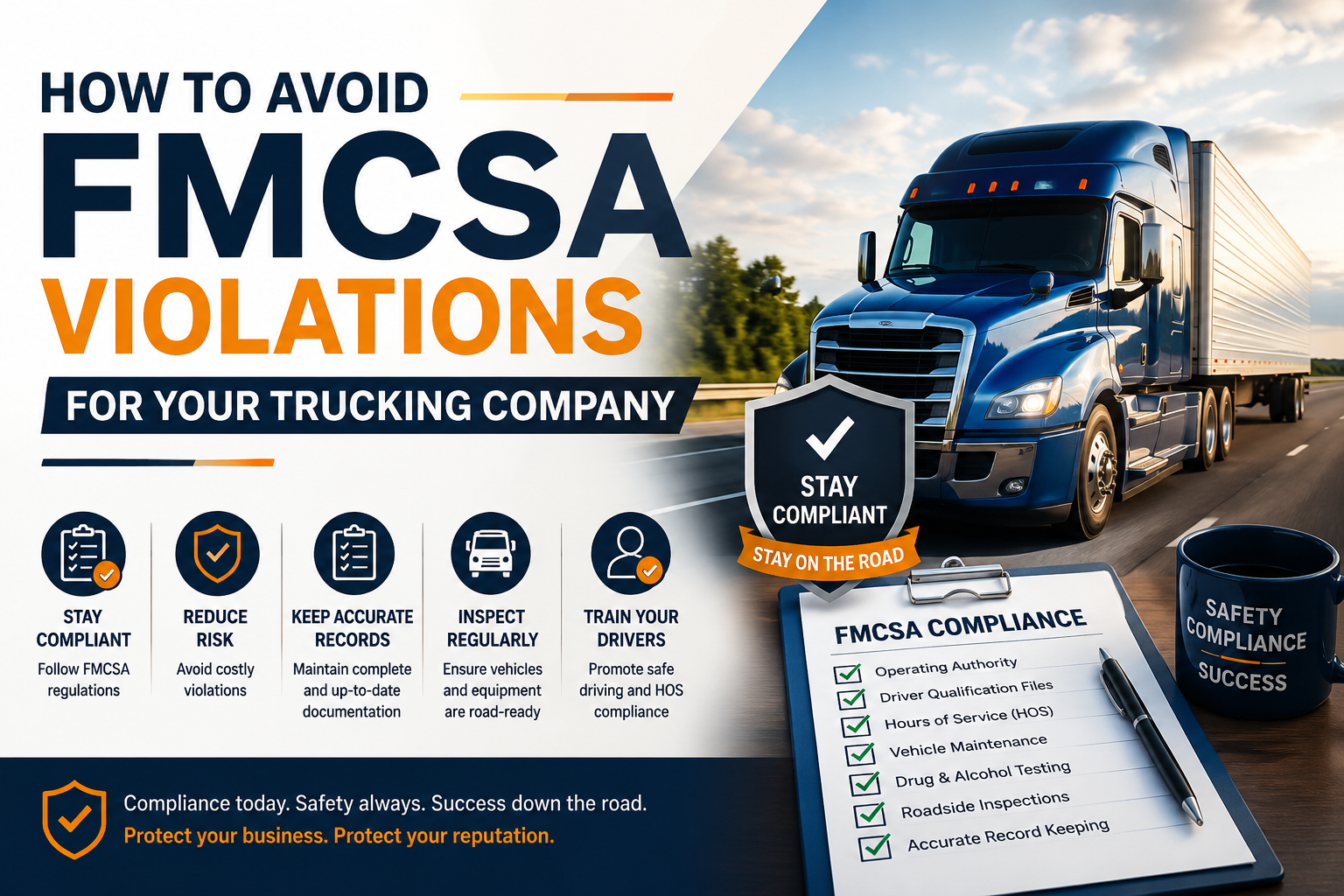
How to Avoid FMCSA Violations for Your Trucking Company
A small FMCSA violation can turn into a big business problem faster than most trucking owners expect.
One missing document, one bad inspection, one expired medical card, or one maintenance issue may not seem serious at first. But when those problems repeat, they can affect your safety profile, increase audit risk, damage broker trust, and even put your operating authority under pressure.
That is why FMCSA safety score monitoring should not be treated like paperwork. It should be treated like business protection.
For trucking company owners, the goal is simple: find the weak spots before FMCSA, DOT inspectors, brokers, or insurance companies find them for you.
Why FMCSA Violations Hurt More Than Just Your Record
Many business owners think FMCSA violations only matter when there is a fine or audit. That is not true.
Your safety history can affect how your company is viewed by brokers, shippers, insurance providers, and regulators. A weak safety profile can make your business look risky, even if you are still operating legally.
This is where many trucking companies lose money quietly. They do not always lose it from one big penalty. They lose it through higher insurance costs, fewer load opportunities, more inspections, and reduced trust.
A clean compliance system protects your authority, your trucks, your drivers, and your reputation.
What Is FMCSA Safety Score Monitoring?
FMCSA safety score monitoring means regularly reviewing your company’s safety data, inspection history, violations, crash records, and compliance patterns.
Many owners search for FMCSA safety score or safety score FMCSA thinking there is one simple number that explains everything. In reality, your safety performance is built from multiple signals. Roadside inspections, vehicle maintenance issues, driver violations, hours-of-service problems, and crash data all play a role.
Good monitoring helps you understand what your company looks like from the outside.
If the same issue keeps appearing in your inspection history, that is not just a driver problem or a mechanic problem. It is a management problem. And if you catch it early, you can fix it before it grows into a bigger compliance issue.
The Real Reason Trucking Companies Get FMCSA Violations
Most trucking companies do not get into trouble because of one major mistake.
They get into trouble because small problems are ignored for too long.
A light violation gets treated as “normal.” A logbook mistake gets brushed off. A missing file is left for later. A repair is done, but no proof is saved. Over time, these small gaps create a pattern.
That pattern is what increases audit risk.
The counter-intuitive truth is this: the best way to avoid FMCSA violations is not to chase violations after they happen. It is to build a system where the same mistake cannot keep repeating.
Start With the Areas FMCSA Looks At Most Closely
If you want to reduce violation risk, focus first on the areas that create the most problems for carriers.
Driver qualification files should be complete and easy to access. Every active driver should have the right application, CDL copy, medical certificate, motor vehicle record, employment checks, and annual review documents where required.
Hours-of-service records should also be reviewed consistently. ELD logs, unassigned driving time, personal conveyance use, log edits, and supporting documents can quickly become audit issues if nobody is checking them.
Vehicle maintenance is another major area. Brakes, tires, lights, steering, suspension, coupling devices, and annual inspection records should be tracked before they become roadside violations.
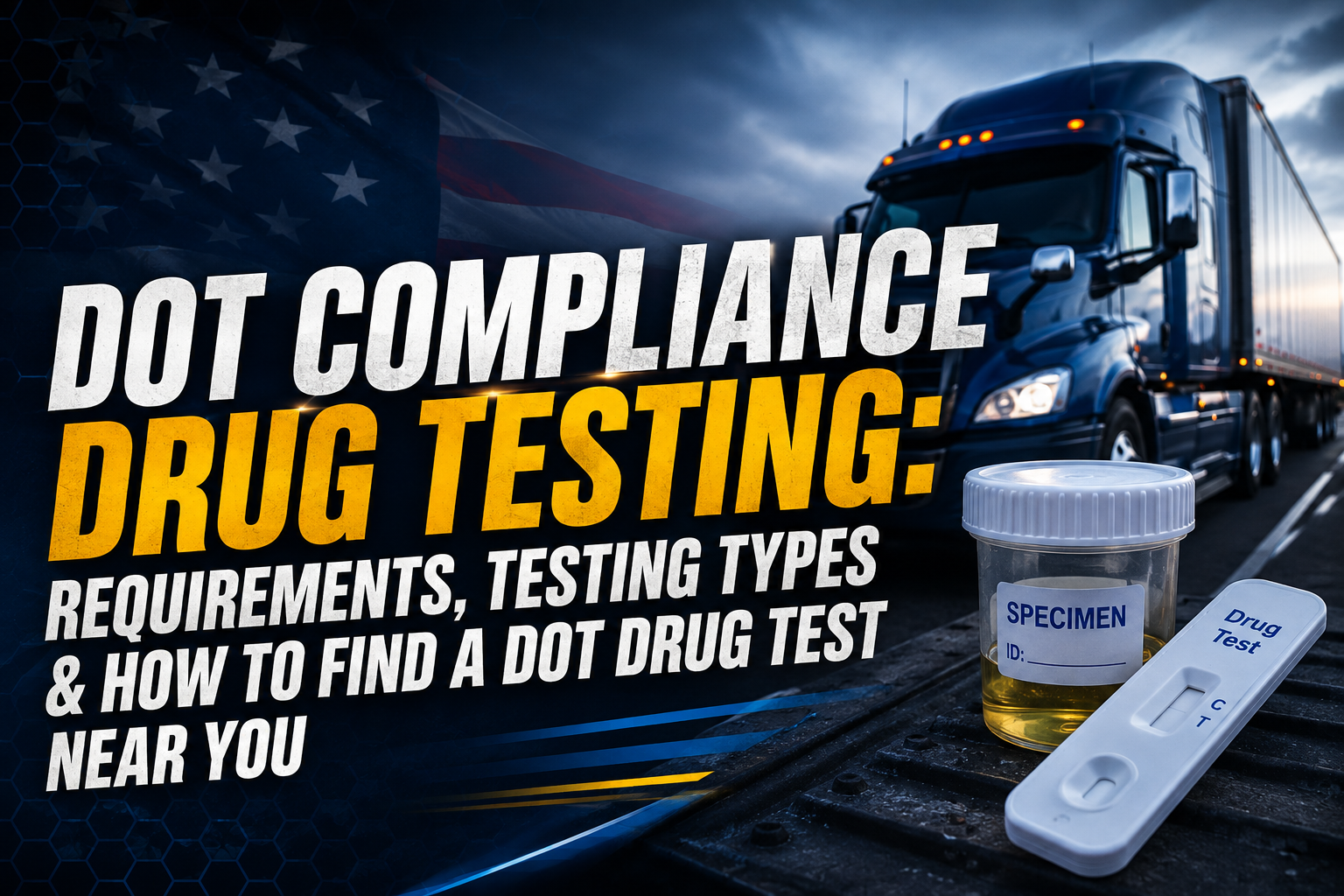
Drug and alcohol testing compliance must also be handled carefully. Missing pre-employment tests, random testing records, Clearinghouse queries, or return-to-duty documentation can create serious problems for regulated carriers.
These areas should not be reviewed once a year. They should be part of your regular management routine.
How FMCSA Safety Ratings Affect Your Business
Your FMCSA carrier safety rating can directly affect how people view your trucking company.
FMCSA safety ratings may include Satisfactory, Conditional, Unsatisfactory, or Unrated. A Satisfactory rating shows stronger safety management controls, while a Conditional or Unsatisfactory rating can raise concern with brokers, shippers, and insurance providers.
This is why FMCSA safety ratings are not just regulatory labels. They can influence business confidence.
A trucking company with poor safety management may still get loads for a while, but long term, weak compliance creates friction. Brokers may hesitate. Insurance may cost more. Regulators may pay closer attention.
Strong safety management makes your company easier to trust.
Use a DOT Audit Checklist Before There Is an Audit
A DOT audit checklist is one of the easiest ways to stay prepared.
But it should not be treated like a document you only open after receiving an audit notice. By then, it may already be too late to fix deeper problems.
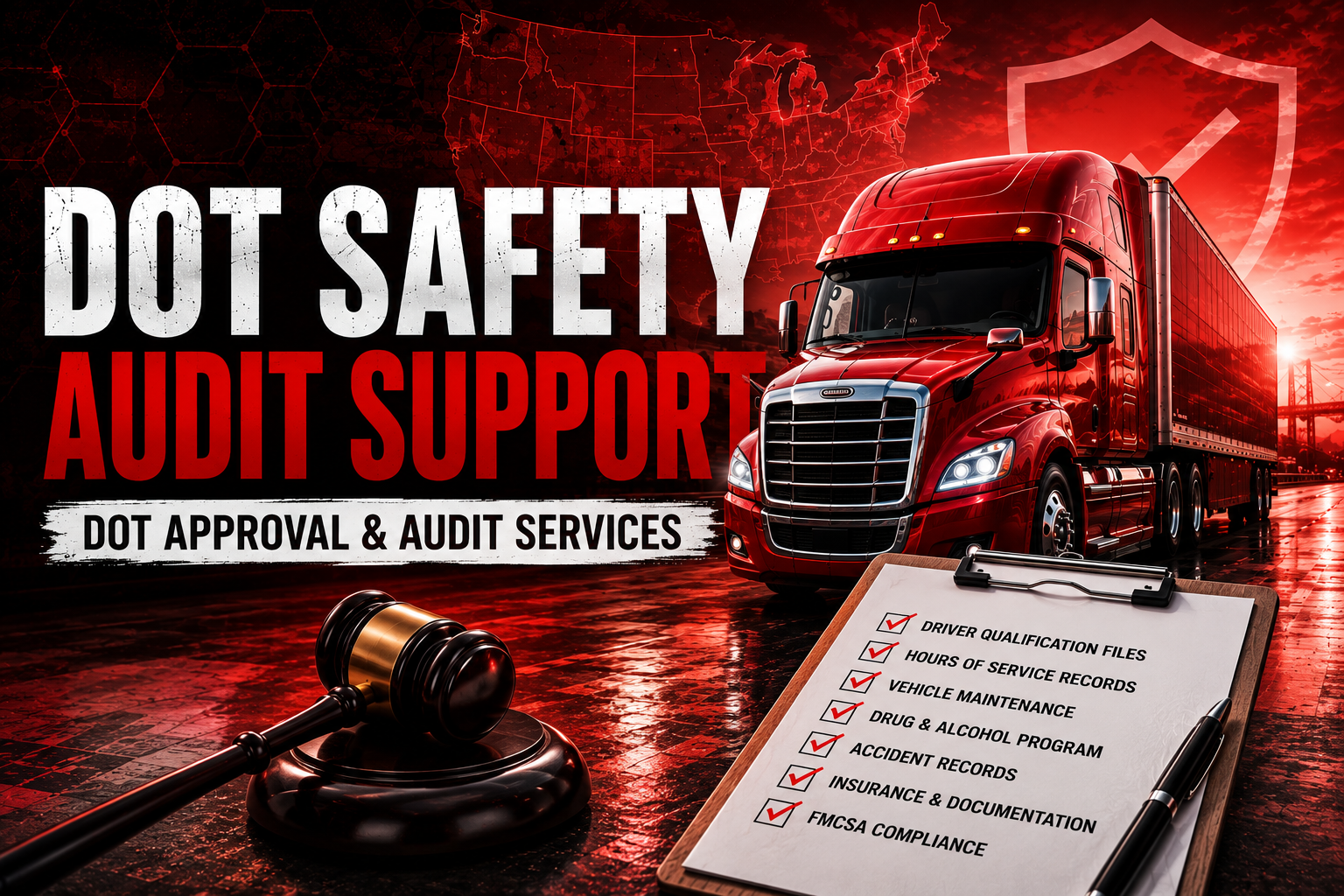
Your DOT audit checklist should cover your company records, driver files, hours-of-service records, vehicle maintenance files, drug and alcohol testing records, accident register, insurance details, and authority status.
The purpose is not just to “have paperwork.” The purpose is to prove that your company is managing safety properly.
During an audit, clean records tell a story. They show that your company knows what it is doing, corrects problems, and takes safety seriously.
Why Mock DOT Audits Are So Valuable
A mock DOT audit is a practice audit for your trucking company.
It reviews your files, systems, and safety data before an official audit happens. This gives you time to fix missing records, weak documentation, expired files, maintenance gaps, or driver compliance issues.
For small and growing trucking businesses, mock DOT audits can be one of the smartest investments.
They help you see your company the way an auditor may see it. That outside view is important because owners are often too close to daily operations to notice risk.
A mock audit does not just show what is wrong. It shows what needs to be fixed first.
The Best Safety Strategy: Monitor, Correct, Prove
The strongest trucking companies follow a simple safety rhythm.
They monitor their FMCSA safety data, correct problems quickly, and keep proof of every correction.
This proof matters. If a violation is corrected but there is no repair invoice, photo, mechanic note, retraining record, or corrective action document, your company may struggle to show that the issue was handled properly.
That is where many carriers fall short. They fix the truck but forget to protect the file.
A strong correction record shows that your company does not ignore safety issues. It also helps during audits, insurance reviews, and internal compliance checks.
Common FMCSA Violations You Should Prevent First
Some violations appear again and again in trucking operations.
The most common problems include expired medical cards, missing driver qualification documents, HOS log errors, improper ELD use, brake issues, tire problems, lighting violations, missing annual inspection proof, weak maintenance records, and drug and alcohol testing gaps.
These issues are preventable.
The solution is not complicated, but it does require consistency. Someone in the business must be responsible for checking records, reviewing inspections, tracking repairs, and following up when something is missing.
Without ownership, compliance becomes guesswork.
A Practical Monthly Compliance Routine
Business owners do not need to make compliance complicated.
Once a month, review your safety data, inspection history, driver files, maintenance records, and open corrections. Look for repeat violations. Check whether documents are expired or missing. Make sure annual inspections and repair records are properly saved.
This monthly habit can prevent many bigger problems.
It also gives you a clearer view of your company’s real condition. You are not waiting for a DOT officer or FMCSA review to tell you what is wrong. You already know, and you are already fixing it.
That is the real value of FMCSA safety score monitoring.
Final Thoughts
Avoiding FMCSA violations is not about being perfect. It is about being prepared.
When your trucking company monitors safety data, reviews inspection patterns, maintains clean files, uses a DOT audit checklist, and runs mock DOT audits, you reduce risk before it becomes expensive.
Your FMCSA safety score, FMCSA carrier safety rating, and compliance history are part of your business reputation. They can affect your authority, insurance, broker relationships, and long-term growth.
If you want to protect your trucking company in 2026, do not wait for violations to pile up.
Start monitoring early, correct issues fast, and keep proof of every fix.
Need help reviewing your FMCSA safety score monitoring, safety rating, inspection history, or DOT audit readiness? Get a professional compliance review and find the weak spots before they cost your trucking business money.
“`