Truck Fuel Card Guide: Best Fuel Credit Cards for Truckers & Semi Truck Fuel Cards (2026)
Fuel is one of the largest operating expenses for any trucking business. Whether you’re an owner-operator with one truck or managing a nationwide fleet, controlling fuel costs plays a major role in improving profitability and maintaining efficient operations.
As diesel prices fluctuate and fleets expand, many trucking businesses are looking for smarter ways to manage fuel purchases. This is where a truck fuel card can make a difference.
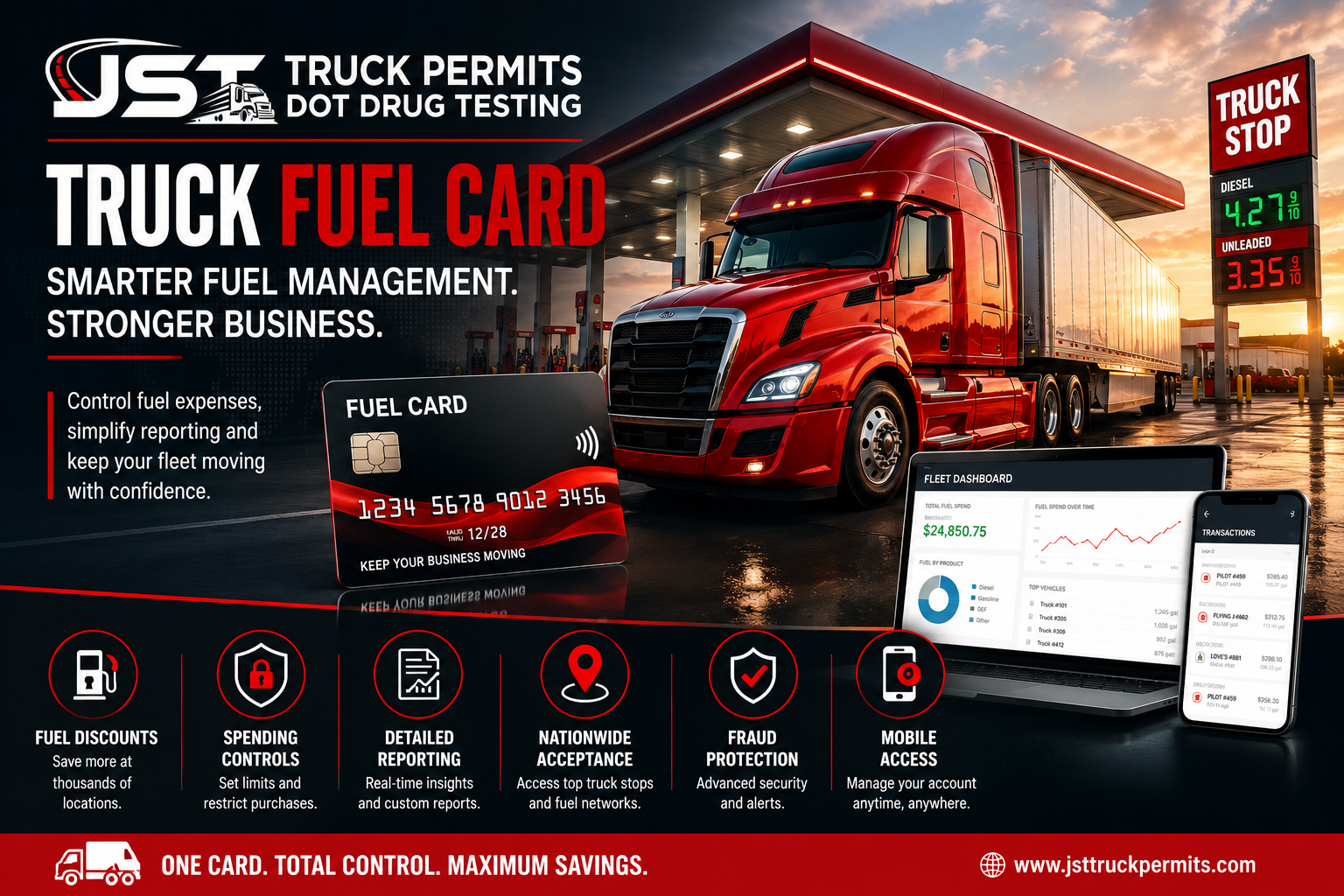
Unlike a traditional credit card, a truck fuel card is designed specifically for commercial transportation businesses. Many fuel card programs offer features such as fuel purchase tracking, spending controls, detailed reporting, and access to participating truck stop networks. Some programs may also provide fuel discounts or rebates, depending on the provider and participating locations.
If you’ve searched for fuel credit cards for truckers, semi truck fuel cards, truck stop fuel cards, or gas cards for trucking companies, this guide explains how these programs work, who can benefit from them, and what features to consider before choosing one.
Note: Fuel card programs differ by provider. Features, fees, acceptance networks, and discount structures vary, so businesses should carefully review each provider’s terms and conditions before applying.
Quick Answer
A truck fuel card is a payment solution designed for commercial trucking businesses and professional drivers. It allows companies to purchase diesel or gasoline while providing tools to monitor fuel expenses, control driver spending, organize receipts, and simplify expense reporting.
Many fuel credit cards for truckers are accepted at thousands of truck stops and fueling stations across the United States. Depending on the provider, some cards may offer discounts, rebates, or fleet management tools that help businesses better understand their fuel spending.
For owner-operators and fleet managers, a truck fuel card can become an important part of managing operating expenses and improving financial oversight.
Key Takeaways
- Truck fuel cards are designed specifically for commercial trucking businesses.
- Many programs provide spending controls and transaction monitoring.
- Some fuel cards offer discounts or rebates at participating locations.
- Fuel cards can simplify bookkeeping by providing detailed transaction reports.
- Owner-operators and fleets can use fuel cards to manage fuel purchases more efficiently.
- The best fuel card depends on your routes, fleet size, and operational needs.
What Is a Truck Fuel Card?
A truck fuel card is a specialized payment card used by trucking companies, owner-operators, and commercial fleets to purchase fuel for business operations.
Although it may resemble a traditional credit card, a truck fuel card is typically designed with features that support fleet management rather than general consumer spending.
Many programs allow fleet managers to:
- Track fuel purchases
- Monitor driver spending
- View transaction history
- Set purchasing controls
- Manage multiple vehicles
- Generate detailed fuel reports
Instead of collecting paper receipts from every driver, businesses can often access digital transaction records through an online account or mobile platform.
This visibility can make it easier to monitor fuel expenses across an entire fleet.
How Does a Truck Fuel Card Work?
The basic process is straightforward.
Step 1: Apply for a Fuel Card
A trucking business or owner-operator applies through a fuel card provider.
Approval requirements vary depending on the provider and program.
Step 2: Assign Cards
After approval, individual cards may be assigned to:
- Drivers
- Trucks
- Fleet vehicles
- Departments
Some businesses prefer assigning cards to vehicles rather than drivers for easier expense tracking.
Step 3: Purchase Fuel
Drivers use the fuel card at participating truck stops or fueling stations.
Depending on the provider, the network may include national truck stop chains, regional fuel stations, or independent locations.
Step 4: Transaction Recording
Each purchase is typically recorded electronically.
Available information may include:
- Date and time
- Fueling location
- Gallons purchased
- Purchase amount
- Vehicle or driver identification
- Odometer readings (if required)
- Driver ID or PIN
These details help businesses maintain more organized fuel records.
Step 5: Reporting and Management
Fleet managers can review reports that summarize fuel purchases across drivers, vehicles, or locations.
These reports may assist with:
- Expense tracking
- Budget planning
- Fuel usage analysis
- Tax reporting
- Operational reviews
Why Fuel Costs Matter in Trucking
Fuel is one of the largest ongoing expenses in commercial transportation.
For many carriers, fuel costs can represent a significant percentage of operating expenses, alongside equipment, maintenance, insurance, and driver wages.
Even small changes in fuel prices can have a noticeable impact on profitability.
For example, businesses operating multiple trucks across long interstate routes may purchase thousands of gallons of diesel each month.
Without an organized system for tracking purchases, businesses may find it difficult to:
- Monitor fuel spending
- Identify unusual transactions
- Compare driver fuel usage
- Manage budgets
- Forecast operating costs
A truck fuel card helps centralize this information, making fuel management more transparent.
Benefits of Using a Truck Fuel Card
1. Better Fuel Expense Management
Instead of relying on paper receipts and manual spreadsheets, fuel cards provide a centralized record of fuel purchases.
This can simplify accounting and help businesses understand where money is being spent.
2. Improved Spending Controls
Many fuel card programs allow businesses to establish spending rules.
Examples may include:
- Fuel-only purchases
- Dollar limits
- Daily transaction limits
- Time-of-day restrictions
- Product restrictions
These controls can help reduce unauthorized purchases.
3. Organized Recordkeeping
Digital transaction histories can simplify bookkeeping and reduce administrative work.
Many providers offer downloadable reports that integrate with accounting or fleet management software.
4. Fuel Purchase Visibility
Fleet managers often gain access to real-time or near-real-time information about fuel transactions.
This visibility can support better decision-making and identify unusual purchasing patterns.
5. Potential Fuel Savings
Some providers negotiate pricing with participating truck stops or offer rebates based on fuel volume.
The amount of savings varies by program, fueling location, and purchasing volume.
Businesses should carefully review provider terms rather than assuming all cards offer the same discounts.
6. Reduced Cash Handling
Drivers no longer need to carry large amounts of cash for fuel purchases.
Electronic payments also create a more accurate transaction history.
7. Easier Fleet Management
Fuel cards can provide valuable operational insights, including:
- Fuel consumption trends
- Driver purchasing behavior
- Vehicle fueling frequency
- Regional fuel costs
These reports may support better planning and operational efficiency.
Fuel Credit Cards for Truckers Explained
The phrase fuel credit cards for truckers is commonly used to describe payment cards designed for commercial transportation businesses.
Some programs function similarly to traditional business credit cards, while others operate through fleet payment systems with different billing structures.
Depending on the provider, these cards may offer:
- Flexible payment options
- Purchase tracking
- Fuel management tools
- Driver controls
- Reporting dashboards
- Mobile account access
It is important to understand that not every fuel card works in the same way. Some programs are accepted nationwide, while others are limited to specific truck stop networks or fuel brands.
Before selecting a provider, trucking companies should compare:
- Acceptance locations
- Fees
- Billing cycles
- Payment terms
- Reporting capabilities
- Customer support
- Mobile app functionality
Who Should Use a Truck Fuel Card?
Truck fuel cards can benefit a wide range of transportation businesses.
Owner-Operators
Independent drivers can simplify fuel purchases, organize business expenses, and maintain clearer records for accounting and tax purposes.
Small Trucking Companies
Companies operating several trucks can use fuel cards to improve expense tracking and monitor driver fuel purchases from one location.
Medium-Sized Fleets
Growing fleets often require better spending controls and more detailed reporting as operations become more complex.
Large Fleets
Enterprise fleets may use advanced fuel card programs that integrate with dispatch systems, accounting platforms, maintenance software, and telematics solutions.
Logistics Companies
Businesses managing transportation services across multiple regions can use fuel cards to centralize fuel expenses and improve financial oversight.
Why Owner-Operators Choose Fuel Cards
For owner-operators, every operating expense directly affects profitability.
Managing fuel efficiently is therefore essential.
A truck fuel card can help independent drivers:
- Separate business and personal expenses
- Maintain organized transaction records
- Reduce paperwork
- Access participating fuel networks
- Monitor monthly fuel spending
- Improve financial planning
Rather than keeping paper receipts for every fuel stop, digital reporting can make bookkeeping much easier throughout the year.
Choosing the Right Fuel Card Starts with Your Business Needs
No single truck fuel card is ideal for every trucking company.
The best option depends on factors such as:
- Fleet size
- Operating routes
- Preferred truck stops
- Monthly fuel purchases
- Driver locations
- Reporting needs
- Payment preferences
- Business growth plans
Understanding your operational requirements before comparing providers can help you select a program that supports both your day-to-day operations and long-term business goals.
Semi Truck Fuel Cards Explained
A semi truck fuel card is a fleet payment solution designed specifically for heavy-duty commercial trucks that travel long distances and purchase large volumes of diesel fuel.
Unlike standard business credit cards, semi truck fuel cards often include features tailored to the transportation industry, such as fuel purchase controls, transaction reporting, driver identification, and access to participating truck stop networks.
Because semi-trucks frequently travel across multiple states, drivers need a payment solution that is widely accepted and easy to manage. A fuel card can help streamline fueling while giving fleet managers better visibility into fuel expenses.
Many providers also offer online dashboards where businesses can monitor transactions, review spending trends, and generate reports for accounting or operational purposes.
What Is a Truck Stop Fuel Card?
A truck stop fuel card is designed for use at participating truck stops and commercial fueling locations.
Many trucking companies rely on major truck stop chains because they provide:
- Diesel fuel
- DEF (Diesel Exhaust Fluid)
- Parking
- Showers
- Restaurants
- Maintenance services
- Convenience stores
Depending on the provider, a truck stop fuel card may be accepted at hundreds or even thousands of fueling locations across the country.
Some fuel card programs also provide negotiated pricing or rebates at participating truck stops, although the savings and participating locations differ by provider.
Businesses should review each program carefully to understand:
- Accepted truck stop networks
- Fuel pricing structure
- Additional fees
- Available discounts
- Payment terms
Gas Cards for Trucking Companies
Although diesel is the primary fuel for many commercial trucks, some fleets also operate gasoline-powered vehicles.
This is why many businesses search for gas cards for trucking companies.
These cards may be used for:
- Pickup trucks
- Service vehicles
- Maintenance vehicles
- Light commercial vehicles
- Support fleets
Managing both diesel and gasoline purchases through one fleet payment program can simplify expense tracking and reporting.
For companies operating mixed fleets, selecting a fuel card with broad acceptance can provide greater flexibility.
Truck Fuel Cards vs. Traditional Business Credit Cards
Many new trucking companies ask whether they should simply use a business credit card instead of a dedicated truck fuel card.
While both payment methods allow businesses to purchase fuel, they are designed for different purposes.
| Feature |
Truck Fuel Card |
Business Credit Card |
| Fuel purchase tracking |
✔ Designed for fleet use |
Limited |
| Driver controls |
✔ Often available |
Usually unavailable |
| Vehicle assignment |
✔ Yes |
No |
| Fuel reporting |
✔ Detailed |
Basic statements |
| Fleet management tools |
✔ Often included |
Rare |
| Truck stop acceptance |
✔ Designed for commercial fueling |
Depends on issuer |
| Fuel discounts |
May be available |
Usually cashback or rewards |
| Fleet analytics |
Often available |
Limited |
Traditional business credit cards may provide travel rewards or cashback, but truck fuel cards typically include tools specifically designed for fleet operations.
Features to Look for in a Truck Fuel Card
Not every fuel card offers the same benefits.
When comparing providers, consider the following features.
1. Wide Acceptance Network
The card should be accepted at locations where your drivers regularly fuel.
A large nationwide network reduces unnecessary route changes and helps drivers fuel more efficiently.
2. Fuel Discounts or Rebates
Some providers offer discounts based on:
- Gallons purchased
- Participating locations
- Monthly fuel volume
- Fleet size
Review the provider’s pricing structure carefully, as discounts vary significantly.
3. Spending Controls
Many trucking businesses appreciate the ability to control purchases.
Possible controls include:
- Fuel-only purchases
- Daily spending limits
- Per-transaction limits
- Time restrictions
- Driver-specific limits
- Product restrictions
These controls help reduce unauthorized purchases.
4. Driver Identification
Many programs require drivers to enter:
- Driver ID
- PIN
- Vehicle number
- Odometer reading
This creates more accurate transaction records.
5. Detailed Reporting
Comprehensive reporting helps businesses understand:
- Monthly fuel expenses
- Fuel purchases by driver
- Fuel purchases by vehicle
- Cost per gallon
- Fueling locations
- Purchase frequency
These reports can simplify accounting and budgeting.
6. Fraud Protection
Security features may include:
- PIN protection
- Real-time alerts
- Transaction monitoring
- Purchase restrictions
- Account notifications
Fraud prevention is particularly important for fleets operating across multiple states.
7. Mobile App Access
Many providers offer mobile applications that allow businesses to:
- Locate fueling stations
- Review transactions
- Monitor card activity
- Manage accounts
- Receive alerts
Mobile access can improve convenience for both drivers and fleet managers.
How Truck Fuel Cards Help Fleet Managers
Fleet managers often oversee dozens or even hundreds of commercial vehicles.
Without organized fuel tracking, understanding operating expenses becomes difficult.
A truck fuel card can provide better visibility into:
- Fleet-wide fuel spending
- Driver purchasing behavior
- Vehicle fuel consumption
- Geographic fueling patterns
- Monthly operating costs
These insights may support better operational decisions and improve budgeting.
Benefits for Owner-Operators
Owner-operators also benefit from dedicated fuel cards.
Potential advantages include:
- Better expense organization
- Simplified bookkeeping
- Digital transaction history
- Easier tax preparation
- Reduced paperwork
- Improved cash flow management
- Access to participating truck stops
Keeping fuel expenses organized can save valuable administrative time throughout the year.
Choosing the Right Truck Fuel Card
Selecting the right fuel card depends on your business.
Before applying, consider:
Fleet Size
Do you operate:
- One truck?
- Five trucks?
- Twenty trucks?
- Hundreds of vehicles?
Some providers specialize in smaller fleets, while others focus on enterprise operations.
Operating Area
Think about where your trucks travel.
Questions to ask include:
- Are your routes local?
- Regional?
- Nationwide?
- Cross-country?
The acceptance network should match your operating routes.
Monthly Fuel Volume
Fuel discounts often depend on purchasing volume.
Estimate:
- Monthly gallons
- Average weekly fuel purchases
- Number of fueling stops
Understanding your fuel usage helps compare programs more accurately.
Reporting Needs
Some businesses require:
Others need:
- Driver reports
- Vehicle reports
- Tax reports
- Accounting exports
- Fleet analytics
Choose a provider whose reporting features align with your operational needs.
Common Mistakes to Avoid
Many businesses select a fuel card without fully understanding how it fits their operations.
Avoid these common mistakes.
Choosing Based Only on Discounts
The largest advertised discount is not always the best value.
Also evaluate:
- Acceptance locations
- Fees
- Reporting tools
- Customer service
- Payment terms
Ignoring Acceptance Networks
A discount has little value if drivers cannot use the card where they normally fuel.
Always review the participating network before applying.
Not Using Spending Controls
If your provider offers spending controls, take advantage of them.
Controls help reduce unauthorized purchases and improve accountability.
Overlooking Fees
Some providers may charge:
- Monthly account fees
- Late payment fees
- Card replacement fees
- Transaction fees
Read the provider’s fee schedule carefully.
Failing to Monitor Transactions
Review reports regularly.
Monitoring transactions can help identify:
- Duplicate purchases
- Unusual fueling patterns
- Potential fraud
- Incorrect charges
Fuel-Saving Tips for Trucking Companies
A fuel card is only one part of an effective fuel management strategy.
Businesses can also improve efficiency by:
Planning Routes
Avoid unnecessary mileage whenever possible.
Monitoring Tire Pressure
Proper tire maintenance may improve fuel efficiency.
Reducing Idle Time
Excessive idling increases fuel consumption.
Preventive Maintenance
Well-maintained trucks generally operate more efficiently.
Driver Training
Fuel-efficient driving habits may reduce fuel costs over time.
Monitor Fuel Usage
Review reports regularly to identify trends and opportunities for improvement.
The Future of Fleet Fuel Management
Technology continues to change how trucking companies manage fuel expenses.
Many providers now offer:
- Cloud-based reporting
- Mobile applications
- GPS integration
- Fleet analytics
- Automated expense reporting
- Real-time transaction monitoring
As digital fleet management continues to evolve, fuel cards are becoming more than just payment tools—they are increasingly integrated into broader fleet management and operational reporting systems.
Preparing Your Business Before Applying
Before selecting a fuel card provider, gather important information about your business:
- Fleet size
- Number of drivers
- Monthly fuel consumption
- Preferred fueling locations
- Operating states
- Payment preferences
- Accounting requirements
Having this information available makes it easier to compare providers and choose a program that fits your business.
Frequently Asked Questions (FAQs)
1. What is a truck fuel card?
A truck fuel card is a payment solution designed specifically for commercial trucking businesses. It helps companies manage fuel purchases, monitor expenses, and maintain organized transaction records while providing fleet management features that traditional credit cards typically do not offer.
2. How do fuel credit cards for truckers work?
Fuel credit cards for truckers allow drivers to purchase diesel or gasoline at participating fuel stations. Transactions are recorded electronically, making it easier for businesses to monitor spending, review reports, and manage fleet fuel expenses.
3. Are truck fuel cards only for large fleets?
No. Truck fuel cards are suitable for owner-operators, small trucking companies, medium-sized fleets, and large transportation businesses. Many providers offer programs designed for different fleet sizes.
4. Can owner-operators use truck fuel cards?
Yes. Many owner-operators use truck fuel cards to organize business expenses, simplify bookkeeping, separate personal and business purchases, and improve cash flow management.
5. What is a semi truck fuel card?
A semi truck fuel card is designed for heavy-duty commercial trucks that frequently purchase diesel fuel while operating regional or interstate routes.
6. What is a truck stop fuel card?
A truck stop fuel card is accepted at participating commercial truck stops and fueling stations, allowing drivers to purchase fuel and, depending on the provider, other approved trucking-related products or services.
7. Do truck fuel cards offer discounts?
Some providers offer fuel discounts or rebates at participating locations. The amount of savings varies based on the provider, fuel network, purchasing volume, and program terms.
8. Are truck fuel cards accepted nationwide?
Acceptance depends on the fuel card provider. Some cards are accepted at thousands of truck stops across the United States, while others operate within specific fuel networks.
9. Can fuel cards help prevent fraud?
Many truck fuel cards include security features such as PIN verification, driver identification, purchase controls, and transaction monitoring that can help reduce unauthorized purchases.
10. Can fuel cards be used for gasoline and diesel?
Many providers support both gasoline and diesel purchases, although accepted fuel types and participating locations vary by provider.
11. What information is recorded during a fuel purchase?
Depending on the provider, transaction records may include:
- Date and time
- Fueling location
- Fuel type
- Gallons purchased
- Purchase amount
- Driver ID
- Vehicle number
- Odometer reading
12. Can I assign different cards to different drivers?
Yes. Many fleet fuel card programs allow businesses to assign cards to individual drivers, vehicles, or departments for better expense tracking.
13. Are truck fuel cards better than business credit cards?
Truck fuel cards offer fleet-specific tools such as spending controls, detailed reporting, and fuel management features that are generally not available with standard business credit cards.
14. Do truck fuel cards improve bookkeeping?
Yes. Digital transaction records and downloadable reports can make accounting, expense tracking, and tax preparation more organized.
15. Are there fees associated with truck fuel cards?
Some providers may charge account fees, transaction fees, or late payment fees. Businesses should carefully review the provider’s pricing and terms before applying.
16. Can truck fuel cards help with budgeting?
Yes. Fuel reports and spending summaries provide better visibility into fuel expenses, helping businesses plan budgets and monitor operating costs.
17. How do I choose the right truck fuel card?
Compare providers based on:
- Acceptance network
- Fees
- Reporting tools
- Mobile app
- Spending controls
- Customer support
- Fuel discounts
- Payment terms
18. Can multiple vehicles use the same account?
Yes. Most fleet fuel card programs allow multiple drivers and vehicles to operate under one business account while maintaining separate transaction records.
19. Are truck fuel cards secure?
Many providers use modern security features such as encrypted transactions, PIN authentication, purchase restrictions, and real-time monitoring to improve account security.
20. Are truck fuel cards worth it?
For many owner-operators and trucking companies, truck fuel cards can improve expense management, simplify accounting, provide spending controls, and help organize fleet operations. The value depends on the provider and the specific needs of the business.
Why Choose JST Truck Permits?
Running a successful trucking business involves much more than keeping vehicles fueled. Registration, permits, and compliance are equally important to maintaining uninterrupted operations.
JST Truck Permits helps owner-operators, trucking companies, and commercial fleets with a wide range of transportation services, including:
- USDOT Registration
- MC Authority Registration
- BOC-3 Filing
- IRP Registration
- IFTA Registration
- Unified Carrier Registration (UCR)
- Truck Registration Services
- Temporary Trip Permits
- DOT Drug Testing Support
- Driver Qualification File (DQF) Assistance
- FMCSA Compliance Services
- Fleet Permit Management
- New Trucking Company Setup
Our goal is to simplify transportation compliance so trucking businesses can focus on growing their operations with confidence.
Final Thoughts
Fuel costs continue to be one of the largest operating expenses for trucking businesses, making efficient fuel management an important part of running a profitable operation. A truck fuel card can provide owner-operators and fleet managers with better visibility into fuel spending, improved transaction tracking, spending controls, and organized reporting.
Whether you’re evaluating fuel credit cards for truckers, comparing semi truck fuel cards, exploring truck stop fuel cards, or looking for gas cards for trucking companies, the right solution will depend on your fleet size, operating routes, fuel purchasing habits, and reporting requirements.
Before selecting a provider, compare acceptance networks, pricing structures, fees, security features, and management tools to ensure the program aligns with your business needs.
As your trucking business grows, combining effective fuel management with proper registrations, permits, and FMCSA compliance can help create a stronger operational foundation and support long-term success.