MCSA MOTUS & FMCSA MOTUS Portal: What Motor Carriers Need to Know in 2026
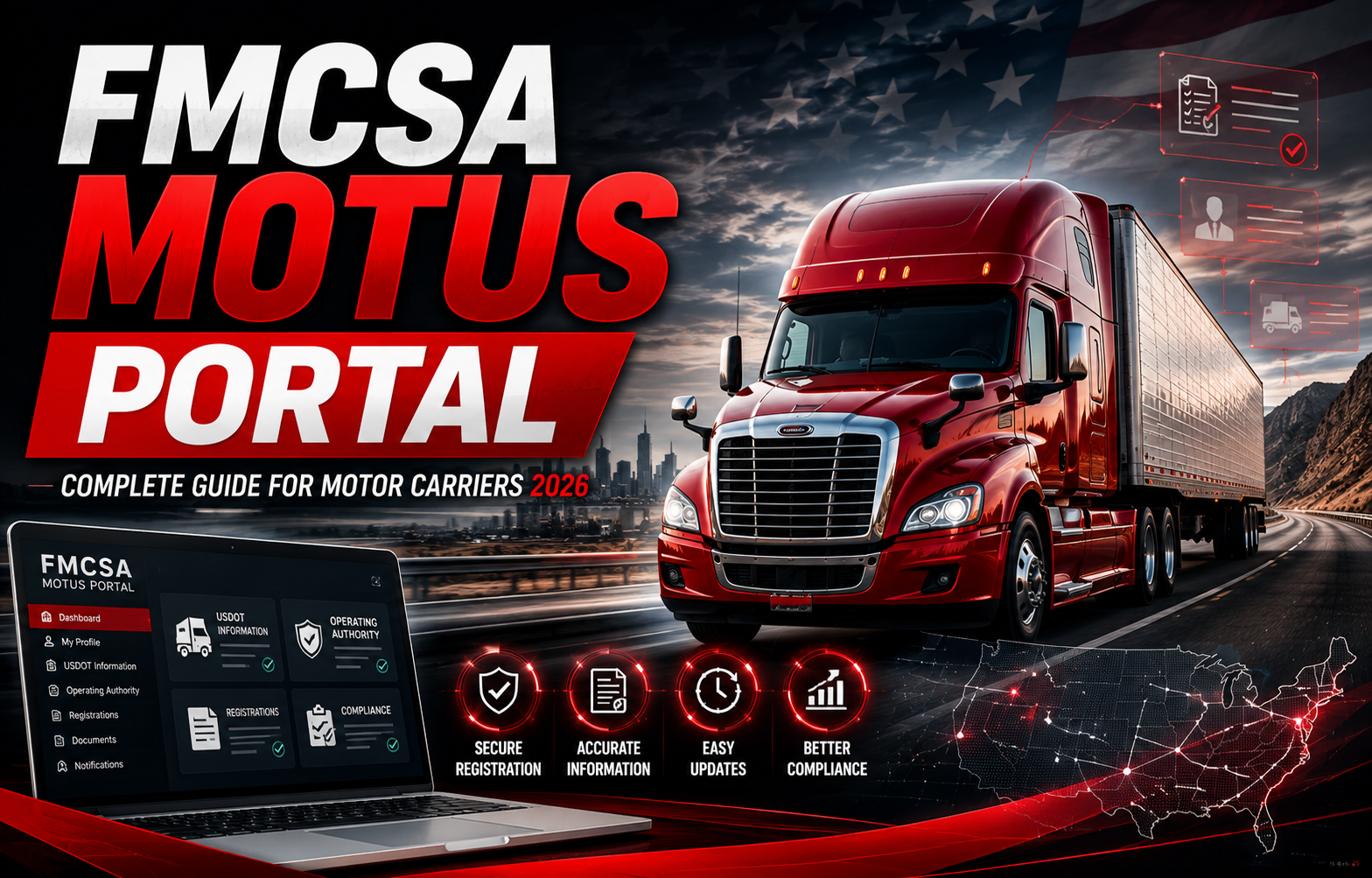
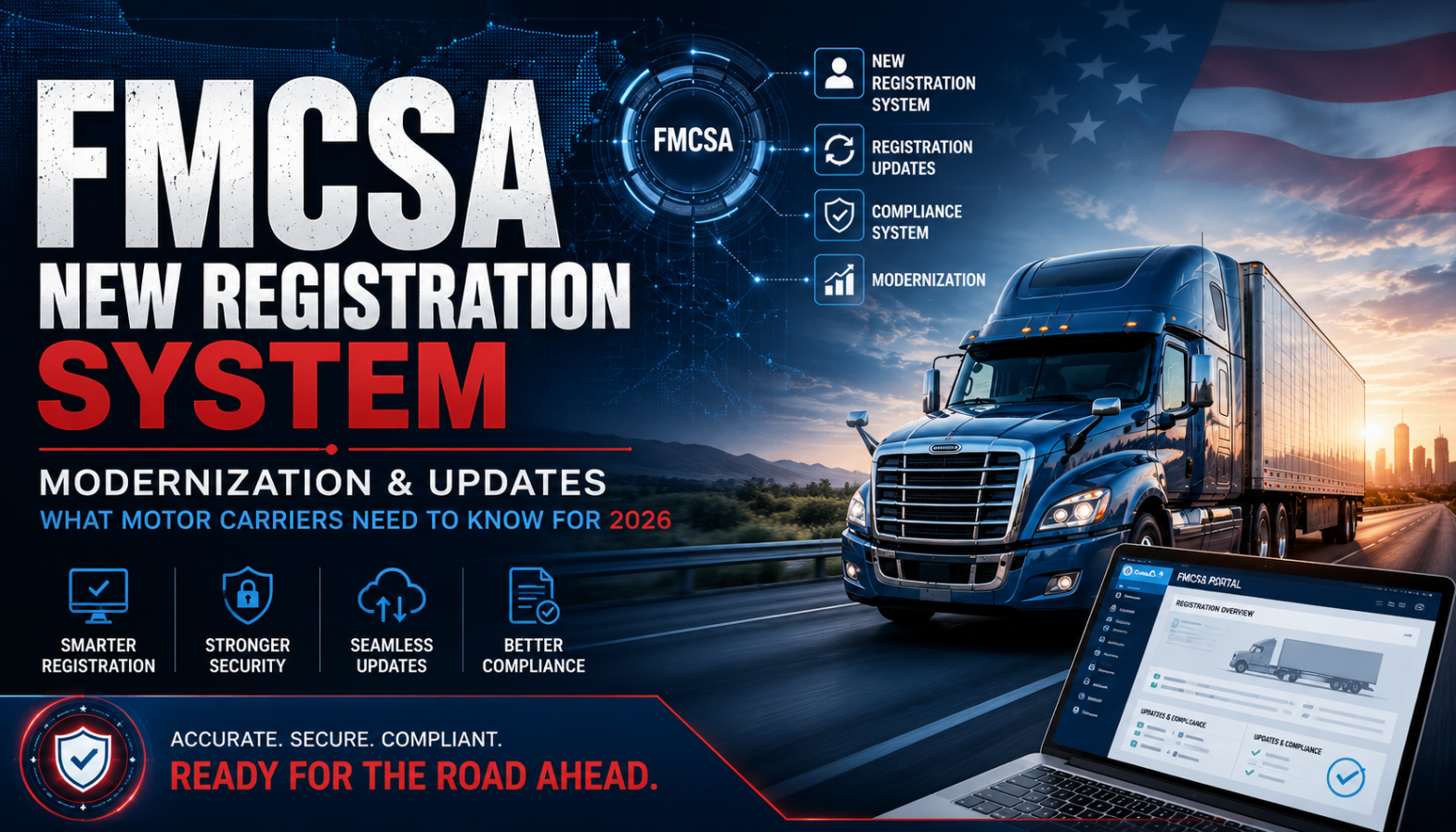
The trucking industry is becoming increasingly digital, and federal registration processes are evolving along with it. One term that motor carriers are beginning to encounter is MOTUS FMCSA, which relates to the Federal Motor Carrier Safety Administration’s modernization of its registration systems.
For trucking companies, owner-operators, brokers, freight forwarders, and other regulated businesses, understanding the FMCSA MOTUS portal is important because changes to federal registration systems can affect how businesses create, access, and maintain their registration information.
If you’ve searched for MCSA MOTUS, MOTUS FMCSA, or the FMCSA MOTUS portal, this guide explains what these terms mean, why FMCSA is modernizing its registration environment, and what trucking businesses can do to prepare.
Important: FMCSA’s modernization initiatives are evolving. Features, implementation dates, migration procedures, and portal requirements may change. Carriers should verify current information directly with FMCSA before taking compliance-related action.
Quick Answer: What Is MOTUS FMCSA?
MOTUS FMCSA refers to FMCSA’s modernization efforts for the systems used to manage motor carrier registration and related information.
The goal is to create a more modern digital registration environment that can improve how regulated businesses interact with FMCSA.
For motor carriers, the transition may affect processes involving:
- Carrier registration
- USDOT information
- Operating authority
- Business information updates
- Registration records
- Account access
- Identity verification
- Compliance-related filings
The exact functions available through the FMCSA MOTUS portal depend on FMCSA’s implementation stage.
What Is the FMCSA MOTUS Portal?
The FMCSA MOTUS portal is associated with FMCSA’s broader effort to modernize its registration systems and replace or improve legacy processes.
Historically, trucking companies have interacted with multiple FMCSA systems for registration, operating authority, company information, and compliance.
This can create challenges for carriers that need to determine:
- Which system they should use
- Which forms are required
- Where company information should be updated
- How operating authority information is maintained
- Which credentials provide access
A modernized registration environment is intended to make federal carrier registration more streamlined and secure.
Is It MCSA MOTUS or FMCSA MOTUS?
Some users search online for MCSA MOTUS, but the federal agency’s correct acronym is FMCSA, which stands for the Federal Motor Carrier Safety Administration.
Therefore, FMCSA MOTUS is the more accurate keyword and terminology.
However, trucking businesses searching for information may use variations such as:
- MCSA MOTUS
- MOTUS FMCSA
- FMCSA MOTUS
- FMCSA MOTUS portal
- FMCSA new registration system
- FMCSA online registration
- FMCSA registration portal
Including these variations naturally can help users find the information they need without overusing keywords.
Why Is FMCSA Modernizing Its Registration Systems?
The trucking industry includes a huge number of motor carriers, owner-operators, brokers, freight forwarders, and other regulated entities.
Registration systems therefore need to handle large volumes of business information securely and efficiently.
Modernization can potentially improve several areas.
1. Easier Registration Management
A modern portal can make it easier for businesses to access and manage registration information from a centralized digital environment.
Instead of navigating several older systems, carriers may eventually have a more streamlined workflow.
2. Improved Data Accuracy
Incorrect or outdated carrier information can cause problems with:
- Authority verification
- Insurance filings
- Broker relationships
- Compliance reviews
- Regulatory communication
Modernized systems can help improve the way carrier information is collected and maintained.
3. Better Identity Verification
Fraud and unauthorized changes to carrier records have become important concerns within the transportation industry.
Stronger account security and identity verification can help protect businesses from unauthorized access.
4. More Efficient Registration Updates
Trucking businesses frequently need to update information after:
- Address changes
- Contact changes
- Business restructuring
- Ownership changes
- Operational changes
Digital modernization can potentially make these processes easier to manage.
Who Should Pay Attention to MOTUS FMCSA?
The transition is relevant to many businesses interacting with FMCSA.
These can include:
Motor Carriers
Companies transporting freight or passengers under applicable federal regulations.
Owner-Operators
Independent drivers operating their own commercial vehicles.
New Trucking Companies
Businesses applying for federal registration or operating authority.
Freight Brokers
Businesses arranging transportation between shippers and motor carriers.
Freight Forwarders
Companies coordinating freight transportation and related logistics.
Fleet Managers
Professionals responsible for maintaining registration and compliance information for multiple commercial vehicles.
FMCSA MOTUS and USDOT Registration
A USDOT Number is an important identifier used by FMCSA to track safety and carrier information for regulated businesses.
When registration systems change, businesses should make sure the information associated with their USDOT records remains accurate.
Important details can include:
- Legal business name
- DBA name
- Principal business address
- Mailing address
- Phone number
- Email
- Business classification
- Type of operation
- Cargo classifications
- Vehicle information
- Driver information
Incorrect information can create complications during compliance reviews and business verification.
FMCSA MOTUS and Operating Authority
Certain interstate for-hire transportation businesses need FMCSA operating authority in addition to a USDOT Number.
Operating authority is often associated with an MC Number.
Depending on the business, authority-related requirements may apply to:
- For-hire motor carriers
- Brokers
- Passenger carriers
- Freight forwarders
As FMCSA modernizes its registration environment, carriers should carefully monitor instructions concerning operating authority applications and updates.
What Should Existing Carriers Do Before the MOTUS Transition?
Existing trucking businesses should avoid waiting until a system change occurs before reviewing their records.
Preparation can start now.
Verify Your Legal Business Information
Make sure your legal business name is consistent across important documents.
Check:
- FMCSA records
- IRS/EIN records
- State business registration
- Insurance
- Banking information
- Licensing documents
Major inconsistencies can make identity verification more difficult.
Check Your USDOT Information
Review your existing carrier record and make sure the information remains current.
Pay particular attention to:
- Address
- Telephone number
- Email
- Operating classification
- Number of vehicles
- Number of drivers
- Cargo information
Review Your Operating Authority
If your company has operating authority, confirm that its current status and business information are accurate.
Review Account Access
Know who within your company has access to FMCSA-related accounts.
Avoid allowing former employees or unauthorized third parties to maintain control over critical credentials.
Organize Company Documents
Keep digital copies of important documents available.
These may include:
- EIN documentation
- Articles of Organization or Incorporation
- Business licenses
- Insurance documents
- USDOT information
- Operating authority records
- Owner identification
- Company address documentation
Having these documents organized can make future verification processes easier.
FMCSA MOTUS Checklist for New Trucking Companies
Starting a trucking company involves more than purchasing a commercial truck.
Depending on your operations, you may need to consider:
- Business entity formation
- EIN registration
- USDOT Number
- FMCSA operating authority
- BOC-3 filing
- Insurance filings
- Unified Carrier Registration (UCR)
- IRP registration
- IFTA registration
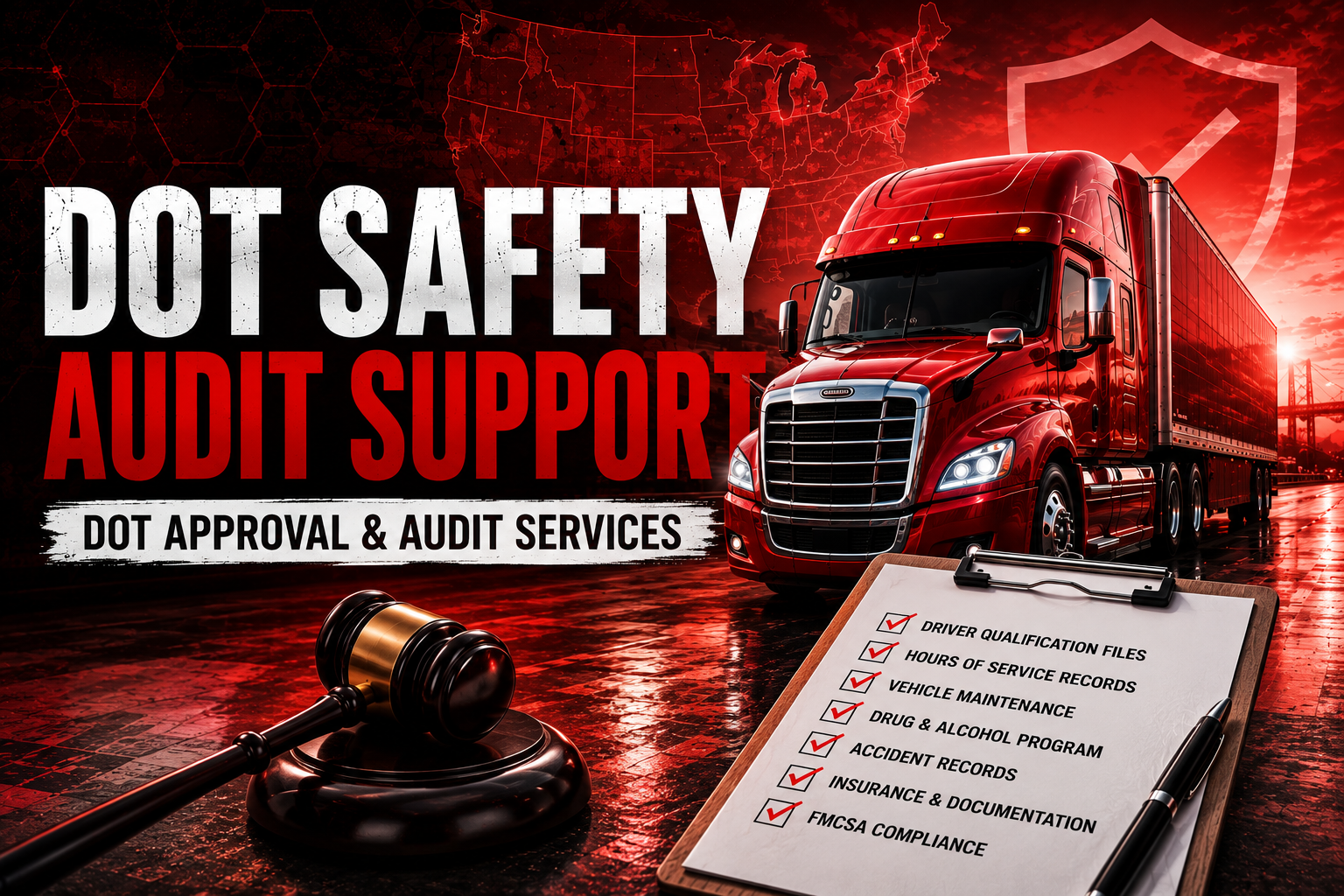
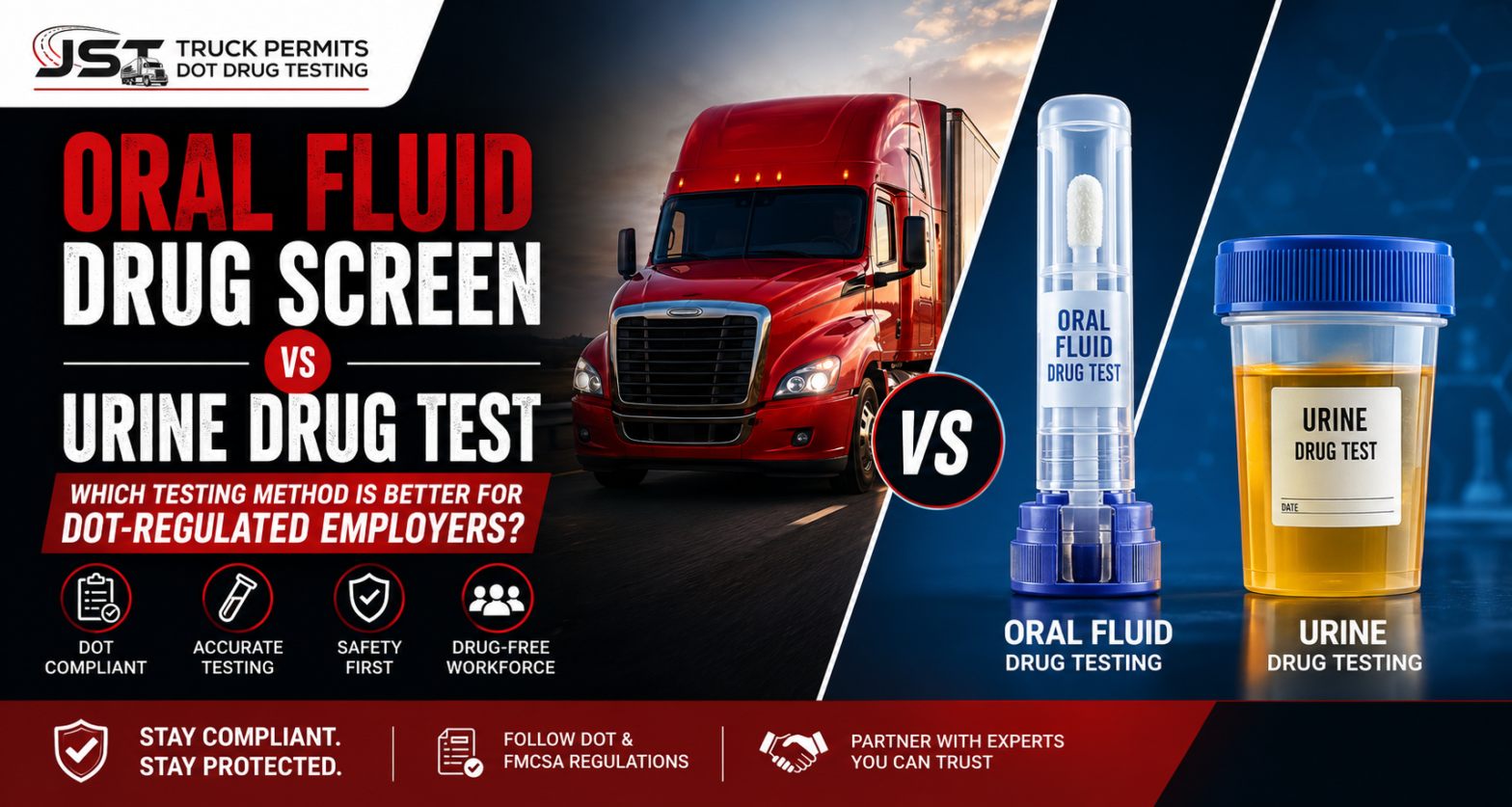
- Drug and alcohol testing requirements
- Driver Qualification Files
- State-specific permits
- Vehicle registration
- Ongoing FMCSA compliance
The requirements vary according to your business structure and operations.
The FMCSA MOTUS portal should therefore be viewed as one component of a broader trucking compliance strategy.
Common FMCSA Registration Mistakes to Avoid
Modern technology can simplify registration, but it cannot prevent every filing error.
Using an Incorrect Legal Business Name
The business name entered into federal records should correspond with the appropriate legal documentation.
Entering the Wrong Address
An outdated or inaccurate principal business address can cause verification and communication problems.
Creating Duplicate Registrations
Businesses should determine whether they already have an existing registration before attempting to create another one.
Giving Account Access to Unauthorized Parties
FMCSA account credentials and company information should be carefully protected.
Ignoring Registration Updates
Federal registration is not necessarily a one-time process. Certain information must remain current.
Assuming Every Carrier Needs the Same Registrations
Requirements depend on operations, vehicle type, interstate activity, cargo, and other factors.
FMCSA MOTUS and Registration Security
Security is becoming increasingly important in motor carrier registration.
Carrier records can contain valuable business information, and unauthorized changes can disrupt legitimate trucking operations.
Carriers should follow basic security practices such as:
- Using strong passwords
- Protecting account credentials
- Restricting administrative access
- Keeping company email accounts secure
- Reviewing FMCSA records periodically
- Verifying unexpected requests before providing information
Never provide sensitive registration credentials to an unknown individual claiming to represent a regulatory agency without verifying the request.
Will the FMCSA MOTUS Portal Replace Existing Systems?
FMCSA’s modernization strategy is intended to improve and consolidate aspects of its registration environment, but businesses should not assume that every existing system or process has already been replaced.
During a transition period, carriers may still need to use existing registration systems or procedures.
That is why businesses should follow current FMCSA instructions rather than relying on outdated blog posts or assumptions about future functionality.
How MOTUS Could Help Growing Trucking Fleets
Registration becomes more complicated as a trucking business expands.
A single owner-operator may initially have relatively straightforward records. A growing fleet may need to manage:
- Multiple vehicles
- More drivers
- Registration renewals
- Operating authority
- Insurance
- IRP accounts
- IFTA accounts
- Driver Qualification Files
- Safety records
- Drug-testing programs
A more centralized federal registration system could make certain administrative processes easier to manage.
However, businesses will still need internal procedures to maintain accurate information.
FMCSA MOTUS vs. Traditional FMCSA Registration
The biggest conceptual difference is modernization.
Traditional registration workflows have historically involved different systems, forms, credentials, and processes.
The FMCSA MOTUS portal represents a move toward a more modern registration experience.
Potential areas of improvement include:
| Area |
Traditional Environment |
Modernized Approach |
| Account management |
Multiple workflows |
More centralized access |
| Identity verification |
Legacy processes |
Stronger digital verification |
| Registration updates |
Can involve different procedures |
More streamlined workflows |
| User experience |
Older interfaces |
Modern digital interface |
| Data management |
Distributed information |
Improved integration |
| Security |
Existing controls |
Enhanced security focus |
Actual functionality should always be confirmed against the current FMCSA system.
How to Prepare Your Business for FMCSA MOTUS
A carrier does not need to wait for every feature to launch before preparing.
A good preparation strategy includes:
Step 1: Review your FMCSA carrier information.
Step 2: Correct outdated business details.
Step 3: Confirm ownership and company documentation.
Step 4: Secure your registration credentials.
Step 5: Organize EIN, insurance, authority, and incorporation records.
Step 6: Review your USDOT and MC information.
Step 7: Monitor official FMCSA announcements regarding MOTUS.
Step 8: Train employees responsible for registration and compliance.
These steps can reduce confusion when registration procedures change.
Frequently Asked Questions About FMCSA MOTUS
What is MCSA MOTUS?
“MCSA MOTUS” is commonly used as a search variation, but FMCSA is the correct acronym for the Federal Motor Carrier Safety Administration. MOTUS is associated with the agency’s registration modernization efforts.
What is MOTUS FMCSA?
MOTUS FMCSA generally refers to FMCSA’s initiative to modernize the systems and processes used for motor carrier registration.
What is the FMCSA MOTUS portal?
The FMCSA MOTUS portal is associated with the agency’s modernized digital registration environment for regulated transportation businesses.
Who may use FMCSA MOTUS?
Depending on implementation and functionality, relevant users may include motor carriers, owner-operators, brokers, freight forwarders, and other FMCSA-regulated entities.
Does MOTUS replace my USDOT Number?
No. Modernizing the registration system does not itself mean an existing carrier automatically receives a different USDOT identity.
Will my MC Number change because of MOTUS?
Carriers should not assume their authority identifiers will automatically change simply because FMCSA modernizes its registration systems.
Do new trucking companies need MOTUS?
New businesses should follow the registration procedures currently specified by FMCSA. The required portal or workflow depends on the agency’s implementation status.
Can I update my carrier information through MOTUS?
The functions available through the modernized system depend on the current rollout. Check FMCSA’s latest instructions before submitting an update.
Is MOTUS only for trucking companies?
No. FMCSA regulates multiple types of transportation businesses, including certain motor carriers, brokers, freight forwarders, and passenger carriers.
How can I prepare for MOTUS?
Review your carrier information, secure account access, organize business documents, correct inconsistencies, and monitor official FMCSA announcements.
How JST Truck Permits Can Help
Federal registration requirements can become complicated, particularly for new carriers and businesses managing multiple registrations.
JST Truck Permits helps owner-operators, trucking companies, and fleets navigate registration and compliance processes.
Services can include:
- FMCSA registration support
- USDOT Number registration
- MC Authority assistance
- FMCSA carrier updates
- BOC-3 filing
- UCR registration
- IRP registration
- IFTA services
- Truck registration
- DOT compliance support
- Driver compliance services
- New trucking company setup
As the FMCSA MOTUS portal evolves, trucking companies should make sure their existing business information is organized and accurate before transitioning to new registration procedures.
Final Thoughts
MOTUS FMCSA represents an important direction in the modernization of federal motor carrier registration.
For trucking companies, the most important preparation is not simply learning the name of a new portal. It is making sure that company records, USDOT information, operating authority, contact details, and account credentials are accurate and properly maintained.
Businesses searching for MCSA MOTUS, MOTUS FMCSA, or the FMCSA MOTUS portal should also remember that implementation details can evolve. Always confirm current procedures directly with FMCSA before making registration or compliance changes.
By preparing early and keeping carrier information organized, owner-operators and fleet managers can be better positioned to adapt as FMCSA continues modernizing its registration systems.